Estate Planning in 2026: Navigating New Legislation for $13M+ Assets

New legislation in 2026 is poised to significantly alter estate planning strategies, particularly for those with assets exceeding $13 million, necessitating a thorough review of current arrangements to optimize wealth transfer.
As we approach 2026, the landscape of wealth transfer is on the cusp of significant transformation. For individuals with substantial assets, specifically those exceeding $13 million, understanding how new legislation could affect your estate planning in 2026 is not just prudent, but essential. Are you prepared for the potential shifts?
Understanding the Current Estate Tax Landscape
Before delving into the future, it’s crucial to grasp the existing framework of estate taxes in the United States. The current system, primarily governed by the Tax Cuts and Jobs Act (TCJA) of 2017, established significantly higher exemption amounts, offering a reprieve for many high-net-worth individuals.
Under the TCJA, the federal estate tax exemption reached historic highs, indexed for inflation. This meant that a substantial portion of an individual’s estate could pass to heirs free of federal estate tax. However, this favorable environment was always temporary, with a sunset provision looming.
The Sunset Provision and Its Implications
The TCJA’s generous estate tax exemptions are scheduled to revert to their pre-2018 levels, adjusted for inflation, at the end of 2025. This sunset provision is the primary driver behind the urgency in discussing estate planning in 2026. The exemption amount is expected to be roughly halved, significantly increasing the number of estates subject to federal estate tax.
- Increased Taxable Estates: Many estates previously untouched by federal estate tax may now fall within its purview.
- Higher Tax Liabilities: For those already subject to estate tax, the taxable portion of their estate will likely increase, leading to a higher tax bill.
- Urgency for Review: Proactive review of current estate plans becomes paramount to mitigate potential adverse impacts.
The impending reduction in the exemption amount means that individuals with assets currently valued above $13 million, and even those slightly below, must seriously consider the potential for their estates to be subject to federal estate taxes in a way they might not have anticipated previously. Understanding these foundational elements is the first step in preparing for the legislative changes on the horizon.
Navigating Potential Legislative Changes in 2026
Beyond the scheduled sunset of the TCJA provisions, there’s always the possibility of new legislation being enacted. The political climate and economic priorities can significantly influence tax policy, including those related to estates and gifts. These potential changes could introduce further complexities for high-net-worth individuals.
While specific legislative proposals for 2026 are not yet finalized, historical patterns and current discussions suggest several areas that might be targeted. These include adjustments to gift tax exemptions, modifications to the step-up in basis rules, and potential changes to the top estate tax rates. Staying abreast of these possibilities is key to informed decision-making.
Key Areas of Potential Legislative Focus
Lawmakers often look to various mechanisms to generate revenue or address perceived wealth inequality. For estate planning in 2026, this could translate into significant alterations:
- Gift Tax Exemptions: Changes to the annual gift tax exclusion or the lifetime gift tax exemption could impact how wealth is transferred during one’s lifetime.
- Step-Up in Basis: The current step-up in basis rule allows heirs to inherit assets at their fair market value at the time of death, avoiding capital gains tax on appreciation during the decedent’s lifetime. Eliminating or modifying this could have substantial implications.
- Estate Tax Rates: While less frequently discussed, an increase in the maximum federal estate tax rate is always a possibility, directly affecting the tax burden on larger estates.
These potential legislative changes, combined with the TCJA sunset, create a dynamic and uncertain environment. Estate planning professionals are closely monitoring legislative developments to provide the most current and effective advice. Preparing for various scenarios allows for greater flexibility and resilience in your estate plan.
Impact on High-Net-Worth Estates (Over $13 Million)
For estates currently valued at over $13 million, the implications of new legislation and the TCJA sunset are particularly pronounced. These estates are more likely to be affected by changes in exemption amounts and tax rates, making strategic planning absolutely critical. The margin for error shrinks considerably as asset values increase.
The primary concern for these estates will be minimizing federal estate tax liability while ensuring wealth is distributed according to the grantor’s wishes. This often involves a delicate balance of lifetime gifting strategies, trust structures, and charitable giving, all of which could be impacted by future tax laws.
Strategies to Consider for Large Estates
With the federal estate tax exemption potentially decreasing, traditional estate planning tools become even more vital. Here are some strategies that high-net-worth individuals should explore:
- Irrevocable Trusts: These trusts can remove assets from your taxable estate, reducing future estate tax liability. Examples include Irrevocable Life Insurance Trusts (ILITs) or Grantor Retained Annuity Trusts (GRATs).
- Lifetime Gifting: Utilizing current higher gift tax exemptions before they potentially decrease can be an effective way to transfer wealth tax-free.
- Charitable Giving: Establishing charitable trusts or foundations can provide significant estate tax deductions while supporting philanthropic causes.
The complexity of these strategies necessitates working with experienced estate planning attorneys and financial advisors. They can help navigate the intricacies of the law and tailor a plan that aligns with your financial goals and family legacy. Proactive engagement with these professionals is key to safeguarding your assets.
Strategic Estate Planning Tools and Techniques for 2026
Given the anticipated changes, a robust and adaptable estate plan is more important than ever. This involves not only understanding the tools available but also knowing how to implement them effectively to achieve your objectives. The goal is to maximize wealth transfer efficiency and minimize tax exposure.
From advanced trust structures to sophisticated gifting strategies, there are numerous approaches that can be tailored to individual circumstances. The key is to act strategically and consider the long-term implications of each decision. Waiting until 2026 to react may limit your options and increase your tax burden.
Advanced Gifting and Trust Strategies
For high-net-worth individuals, simple wills often aren’t enough. Advanced techniques are required to address complex asset portfolios and potential tax hurdles:
- Spousal Lifetime Access Trusts (SLATs): These trusts allow one spouse to make a gift to a trust for the benefit of the other spouse, removing assets from the grantor’s estate while still providing potential access to those funds within the family.
- Qualified Personal Residence Trusts (QPRTs): This strategy allows you to gift your personal residence to your heirs at a reduced gift tax value, while retaining the right to live in it for a specified term.
- Family Limited Partnerships (FLPs) and Limited Liability Companies (LLCs): These entities can facilitate the transfer of business interests and other assets to younger generations with potential valuation discounts for gift and estate tax purposes.
Each of these tools has specific requirements and implications, underscoring the need for expert guidance. A well-designed plan leveraging these strategies can provide significant benefits, ensuring your legacy is preserved and passed on effectively. The time to explore these options is now, before potential legislative windows close.
The Role of Professional Advisors in 2026 Planning
Successfully navigating the complexities of estate planning in 2026 requires a team approach. The expertise of various professionals—including estate attorneys, financial advisors, and tax specialists—is indispensable. Their combined knowledge ensures that all aspects of your financial and legal situation are considered.
An integrated approach allows for a comprehensive strategy that addresses not only tax implications but also asset protection, philanthropic goals, and family dynamics. Attempting to manage such intricate planning without professional assistance can lead to costly mistakes and missed opportunities.
Building Your Expert Team
Choosing the right advisors is a critical step in effective estate planning. Look for professionals with specific experience in high-net-worth estates and a deep understanding of current and anticipated tax laws:
- Estate Planning Attorney: Specializes in drafting legal documents such as wills, trusts, and powers of attorney, ensuring they comply with state and federal laws.
- Financial Advisor: Helps integrate your investment strategy with your estate plan, ensuring your assets are managed to support your long-term goals and beneficiaries.
- Tax Advisor/CPA: Provides expertise on the tax implications of various estate planning strategies, helping to minimize estate, gift, and income taxes.
Regular communication and coordination among your advisors are vital. They should work together to ensure your estate plan is cohesive, efficient, and aligned with your evolving financial situation and legislative changes. Proactive engagement with this team will be your strongest asset.
Preparing for Uncertainty: Flexibility in Your Estate Plan
One of the most valuable aspects of effective estate planning in 2026 is building in flexibility. The legislative environment is dynamic, and what is optimal today may not be tomorrow. An adaptable estate plan can withstand future changes without requiring a complete overhaul.
This means incorporating provisions that allow for adjustments based on future tax laws, family circumstances, or economic conditions. It’s about creating a framework that can evolve, rather than a rigid structure that quickly becomes outdated. Regular reviews of your estate plan are therefore non-negotiable.
Key Elements of a Flexible Estate Plan
To ensure your estate plan remains effective amidst changing legislation, consider these aspects:
- Portability of Exemption: For married couples, understanding and utilizing the portability election can significantly increase the total estate tax exemption available to the surviving spouse.
- Formula-Based Gifting: Structuring gifts and bequests using formulas tied to the exemption amount rather than fixed dollar figures can automatically adjust to future changes in tax law.
- Discretionary Trusts: Granting trustees discretion over distributions can allow for adjustments based on beneficiaries’ needs and prevailing tax laws, offering a layer of protection and adaptability.
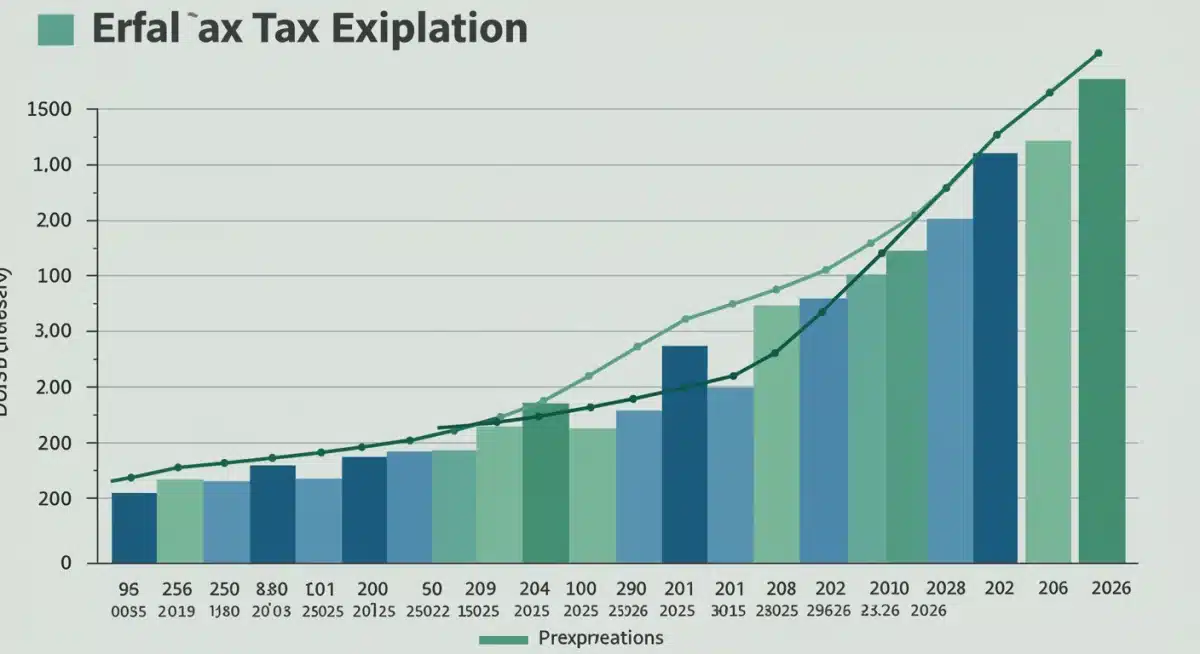
By integrating these flexible components, you empower your estate plan to respond effectively to unforeseen circumstances and legislative shifts. This forward-thinking approach provides peace of mind, knowing that your wishes will be honored and your legacy protected, regardless of what 2026 and beyond may bring.
| Key Aspect | Brief Description |
|---|---|
| TCJA Sunset | Federal estate tax exemption likely to halve at the end of 2025. |
| Legislative Changes | Potential shifts in gift tax, step-up in basis, and estate tax rates. |
| High-Net-Worth Impact | Estates over $13M face increased tax scrutiny and need proactive strategies. |
| Professional Guidance | Essential to engage attorneys, financial advisors, and tax specialists. |
Frequently Asked Questions About 2026 Estate Planning
The primary change expected in 2026 is the sunset of the Tax Cuts and Jobs Act (TCJA) provisions, which will likely reduce the federal estate tax exemption amount by approximately half. This means more estates will be subject to federal estate taxes.
Estates over $13 million will face a higher likelihood of incurring federal estate tax due to the reduced exemption. The taxable portion of these estates could increase significantly, leading to greater tax liabilities and requiring more advanced planning strategies.
Key strategies include utilizing current higher gift tax exemptions through lifetime gifting, establishing irrevocable trusts like SLATs or GRATs to remove assets from your estate, and reviewing charitable giving options to mitigate potential tax impacts.
Yes, changes to the ‘step-up in basis’ rule are a potential area of legislative focus. If eliminated or modified, heirs could face capital gains taxes on inherited assets’ appreciation, which currently is typically avoided. This would significantly impact wealth transfer.
Consulting professional advisors now is crucial because they can help you understand the complex implications of impending legislative changes. They can tailor a proactive plan, utilize current beneficial exemptions, and ensure your estate plan remains flexible and effective for 2026 and beyond.
Conclusion
The approaching year 2026 marks a pivotal moment for estate planning, particularly for those with assets exceeding $13 million. The scheduled sunset of the TCJA provisions, coupled with the potential for new legislative changes, necessitates a proactive and informed approach. Understanding the current landscape, anticipating future shifts, and strategically utilizing advanced planning tools are paramount. Engaging a team of expert advisors—including attorneys, financial planners, and tax specialists—is not just recommended, but essential to navigate these complexities effectively. By building flexibility into your estate plan and continually reviewing your strategies, you can safeguard your legacy, minimize tax burdens, and ensure your wealth is transferred according to your wishes, regardless of the evolving legal and economic environment.