Global Supply Chain Disruptions: Extended Outlook to Mid-2026
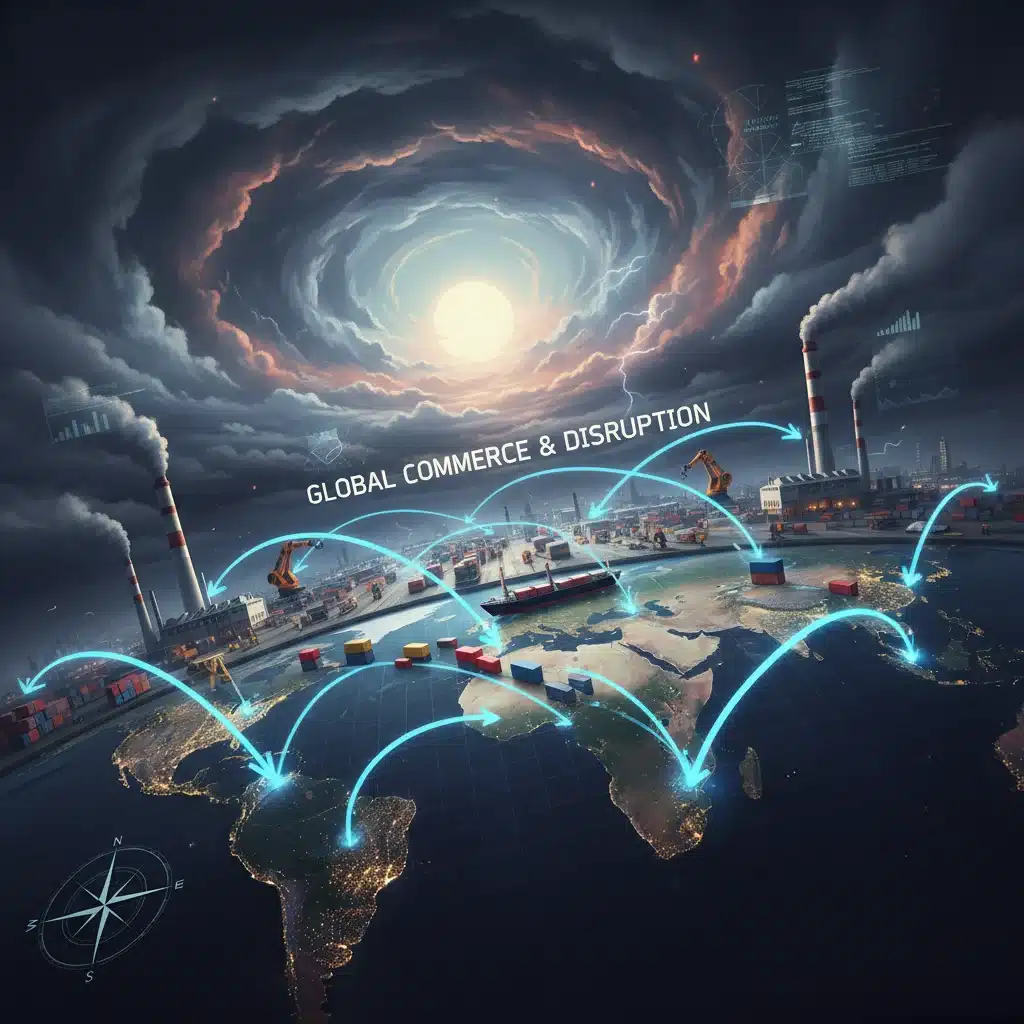
The global economy has been grappling with unprecedented challenges over the past few years, with supply chain disruptions standing out as a persistent and often unpredictable obstacle. What began as a temporary ripple effect from the COVID-19 pandemic has evolved into a complex, multi-faceted crisis with far-reaching implications. Recent analyses and expert projections paint a sobering picture: the pervasive supply chain disruptions are now expected to continue for at least six more months into 2026. This extended outlook demands a comprehensive understanding of the underlying causes, the profound impacts on various sectors, and the critical strategies businesses must adopt to navigate this prolonged period of instability.
For many, the initial hope was that these disruptions would be short-lived, a temporary blip on the global economic radar. However, as one challenge has given way to another, from geopolitical conflicts to extreme weather events and labor shortages, the resilience of global supply chains has been tested repeatedly. The current projection into mid-2026 signifies a significant shift in perspective, moving from crisis management to long-term strategic adaptation. This article will delve deep into why these supply chain disruptions are persisting, what the extended timeline means for businesses and consumers, and how companies can build more robust, agile, and sustainable supply chain models for the future.
The Anatomy of Persistent Supply Chain Disruptions
Understanding why supply chain disruptions are projected to continue for such an extended period requires an examination of several interconnected factors. It’s not a single bottleneck but a confluence of issues creating a perfect storm of instability.
Geopolitical Tensions and Trade Wars
Geopolitical tensions remain a primary driver of ongoing supply chain disruptions. Conflicts in key regions, trade disputes between major economic powers, and increasing protectionist policies are fragmenting global trade routes and fostering an environment of uncertainty. Tariffs, sanctions, and export controls can abruptly cut off access to critical raw materials or finished goods, forcing companies to scramble for alternative, often more expensive or less efficient, sources. The ripple effect of these political decisions can be felt across entire industries, from technology to agriculture, making long-term planning incredibly difficult.
Labor Shortages and Workforce Dynamics
The global labor market has undergone significant shifts, contributing substantially to supply chain woes. Shortages of skilled workers, particularly in logistics, manufacturing, and transportation, continue to plague industries worldwide. Truck drivers, port workers, factory operators, and warehouse staff are all in high demand, leading to delays, increased labor costs, and reduced operational capacity. The ‘Great Resignation’ and demographic shifts in many developed nations have exacerbated these issues, making it challenging to maintain consistent production and distribution schedules. This aspect of supply chain disruptions is particularly tricky, as it requires long-term solutions related to training, automation, and workforce retention.
Infrastructure Limitations and Bottlenecks
Existing global infrastructure, particularly ports, roads, and rail networks, often struggles to cope with increased demand or sudden shifts in trade patterns. Port congestion, a hallmark of the initial pandemic-era disruptions, continues to be an issue in many key hubs. Insufficient capacity, outdated technology, and a lack of investment in infrastructure development mean that goods can get stuck for weeks, leading to significant delays and storage costs. Furthermore, natural disasters, intensified by climate change, frequently damage critical infrastructure, causing localized but impactful supply chain disruptions that can have global repercussions.
Climate Change and Extreme Weather Events
Climate change is no longer a distant threat but a present reality impacting supply chains. Increasingly frequent and severe extreme weather events—hurricanes, floods, droughts, and wildfires—disrupt production, destroy crops, damage transportation routes, and displace labor. These events can shut down factories, block shipping lanes, and create unpredictable spikes in demand for certain goods, further straining already fragile supply chains. The unpredictability of these events makes risk mitigation particularly challenging, adding another layer of complexity to the ongoing supply chain disruptions.
Energy Volatility and Commodity Price Fluctuations
The global energy market has seen significant volatility, with fluctuating oil and gas prices directly impacting transportation costs and manufacturing expenses. Energy is a fundamental component of almost every stage of the supply chain, from extracting raw materials to powering factories and fueling cargo ships. When energy prices spike, the cost of goods rises, and profit margins shrink, often leading to inflationary pressures. Similarly, price volatility in key commodities like metals, plastics, and agricultural products creates uncertainty for manufacturers and makes long-term procurement planning difficult. These economic factors contribute significantly to the ongoing nature of supply chain disruptions.
The Far-Reaching Economic Impacts of Extended Disruptions
The continuation of supply chain disruptions into mid-2026 carries significant economic consequences for businesses, governments, and consumers alike.
Inflationary Pressures and Rising Costs
One of the most immediate and visible impacts is persistent inflation. As the cost of raw materials, labor, energy, and transportation increases due to disruptions, businesses are often forced to pass these higher costs onto consumers. This leads to elevated prices for everyday goods, reducing purchasing power and potentially slowing economic growth. Central banks face a difficult balancing act, trying to curb inflation without stifling economic activity, all while the underlying causes of supply chain disruptions remain unresolved.
Reduced Production and Product Availability
Businesses, particularly in manufacturing, face reduced production capacities due to shortages of components, raw materials, or labor. This directly translates to reduced product availability on store shelves and longer waiting times for consumers. Industries like automotive, electronics, and construction have been particularly hit, with production lines halting due to a lack of critical parts. This not only frustrates consumers but also leads to lost sales and market share for affected companies.
Impact on Small and Medium-sized Enterprises (SMEs)
While large corporations have more resources to absorb shocks, SMEs are often disproportionately affected by supply chain disruptions. They may lack the bargaining power to secure scarce materials, the financial reserves to withstand prolonged delays, or the logistical networks to find alternative suppliers quickly. This can lead to business closures, job losses, and a reduction in economic diversity, as smaller players struggle to compete in an unstable environment marked by ongoing supply chain disruptions.
Shifts in Consumer Behavior
Consumers are adapting to the new reality of supply chain disruptions. This includes a willingness to pay more for immediate availability, a shift towards local products, or an increased tolerance for longer delivery times. However, it also means frustration, brand switching, and a potential decrease in overall consumer confidence, which can further impact economic recovery. Businesses must understand these evolving consumer behaviors and adjust their strategies accordingly.
Strategies for Navigating Prolonged Supply Chain Disruptions
Given the extended timeline for supply chain disruptions, businesses can no longer afford to wait for a return to ‘normal.’ Proactive and adaptive strategies are essential for survival and growth.
Diversification of Supply Sources
Reliance on a single supplier or a single geographic region has proven to be a critical vulnerability. Companies must actively diversify their supplier base, seeking out multiple vendors in different locations. This ‘multi-sourcing’ approach helps mitigate risks associated with regional lockdowns, geopolitical events, or natural disasters affecting a specific area. While it might involve higher initial costs or more complex logistics, the long-term resilience gained far outweighs these challenges in an era of persistent supply chain disruptions.
Regionalization and Reshoring
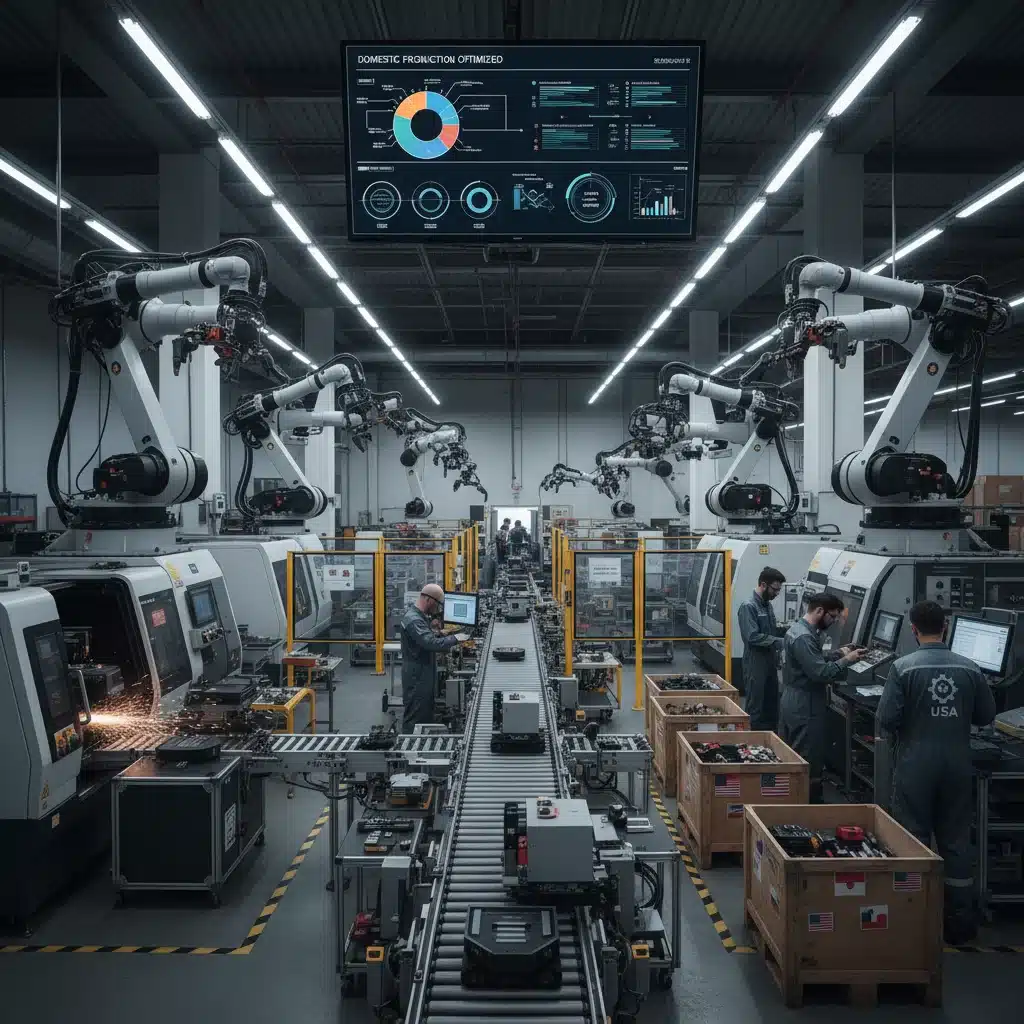
The trend towards regionalization and reshoring (bringing manufacturing back to the home country or a nearby region) is gaining momentum. By shortening supply chains and reducing dependence on distant suppliers, companies can gain greater control over production, improve lead times, and reduce transportation costs and risks. This strategy often involves significant investment in new facilities or technology but offers substantial benefits in terms of reliability and responsiveness, directly addressing key issues within supply chain disruptions.
Enhanced Inventory Management and Buffer Stocks
The ‘just-in-time’ inventory model, while efficient in stable times, has shown its fragility during periods of supply chain disruptions. Businesses are now re-evaluating their inventory strategies, opting for ‘just-in-case’ approaches. This involves holding larger buffer stocks of critical components or finished goods to absorb unexpected delays or shortages. While this increases carrying costs, it ensures business continuity and prevents costly production stoppages or lost sales. Advanced inventory management systems can help optimize these buffer stocks to minimize waste.
Investing in Technology and Data Analytics
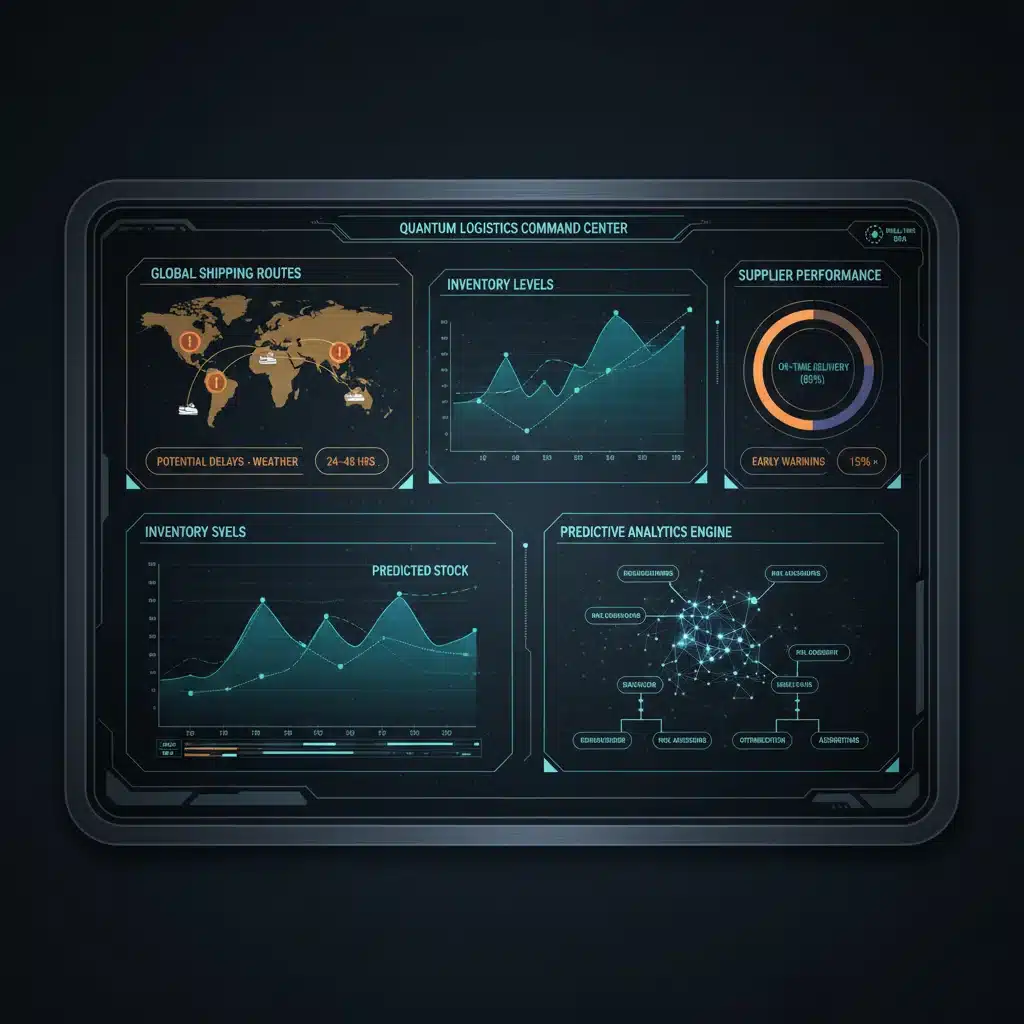
Leveraging technology is paramount for building resilient supply chains. This includes implementing advanced analytics, artificial intelligence (AI), and machine learning (ML) to gain real-time visibility into the entire supply chain. Predictive analytics can help identify potential disruptions before they occur, allowing for proactive mitigation. Blockchain technology can enhance transparency and traceability, while automation in warehouses and logistics can improve efficiency and reduce reliance on manual labor, which is often subject to supply chain disruptions.
Strengthening Supplier Relationships and Collaboration
In times of crisis, strong relationships with suppliers become invaluable. Collaborative planning, shared risk assessment, and transparent communication can enable quicker responses to disruptions. Long-term partnerships built on trust can ensure preferential treatment or early warnings during times of scarcity. Moving beyond purely transactional relationships to strategic alliances can provide a significant competitive advantage when dealing with ongoing supply chain disruptions.
Developing Agile and Flexible Operations
Agility and flexibility are key attributes for navigating a dynamic environment. This means having the ability to quickly reconfigure production lines, switch between suppliers, or adapt to new logistics routes. Cross-training employees, designing modular products, and having contingency plans for various scenarios are all part of building an agile operation that can pivot rapidly in response to unforeseen supply chain disruptions.
The Role of Government and International Cooperation
Addressing the systemic nature of supply chain disruptions also requires concerted efforts from governments and international bodies.
Policy Support and Incentives
Governments can play a crucial role by offering incentives for reshoring, investing in critical infrastructure, and providing R&D funding for supply chain innovations. Policies that promote workforce development and address labor shortages in key sectors will also be vital. Furthermore, stable and predictable trade policies can help reduce uncertainty for businesses grappling with supply chain disruptions.
International Collaboration and Standard Setting
Given the global nature of supply chains, international cooperation is essential. This includes efforts to standardize customs procedures, improve data sharing across borders, and coordinate responses to global crises. Multilateral agreements aimed at ensuring the free flow of essential goods and materials can help mitigate the impact of future supply chain disruptions.
Addressing Climate Change
Since climate change is a significant contributor to supply chain instability, global efforts to reduce emissions and invest in climate adaptation measures will have a direct positive impact on the resilience of supply chains. This long-term commitment is crucial for creating a more stable operating environment, thereby reducing future supply chain disruptions.
Looking Ahead: Building Resilience Beyond 2026
The projection of ongoing supply chain disruptions until at least mid-2026 is a stark reminder that the global trading environment has fundamentally changed. Businesses can no longer rely on the predictable, cost-optimized models of the past. Instead, the focus must shift towards building resilience, adaptability, and sustainability into every facet of the supply chain.
The next few years will be characterized by a continuous process of learning, adaptation, and innovation. Companies that embrace technology, diversify their networks, and foster strong relationships will be better positioned to not only weather the storm of supply chain disruptions but also emerge stronger. This period of extended disruption, while challenging, also presents an opportunity to reimagine global commerce, creating more robust, ethical, and environmentally conscious supply chains for the long term. The lessons learned during this protracted period of supply chain disruptions will undoubtedly shape the future of global trade for decades to come.
The Imperative of Continuous Monitoring and Adaptation
Even with robust strategies in place, the dynamic nature of global events means that continuous monitoring and adaptation are non-negotiable. Supply chain professionals must stay abreast of geopolitical developments, economic indicators, weather patterns, and technological advancements. Real-time data feeds, risk assessment tools, and scenario planning will become standard operating procedures. The ability to quickly identify emerging threats and adjust strategies accordingly will be a defining characteristic of successful businesses navigating these prolonged supply chain disruptions. This proactive approach ensures that companies are always a step ahead, mitigating potential issues before they escalate.
Investing in Human Capital and Training
While technology plays a crucial role, the human element remains vital. Investing in the training and development of supply chain professionals is critical. This includes enhancing skills in data analytics, risk management, negotiation, and cross-cultural communication. A skilled workforce capable of understanding complex global dynamics, making informed decisions under pressure, and fostering collaborative relationships across the supply chain will be indispensable. Addressing labor shortages through training programs, competitive compensation, and improved working conditions can also contribute significantly to alleviating one of the core causes of supply chain disruptions. Empowering employees with the right tools and knowledge can turn potential weaknesses into strengths.
Embracing Circular Economy Principles
Beyond immediate risk mitigation, the extended period of supply chain disruptions also highlights the need for more sustainable and circular supply chain models. Reducing waste, recycling materials, and designing products for longevity and easy disassembly can decrease reliance on finite resources and reduce exposure to raw material price volatility. A circular economy approach can create more closed-loop systems, making supply chains inherently more resilient to external shocks and minimizing environmental impact. This long-term vision not only addresses sustainability goals but also builds a more robust foundation against future supply chain disruptions.
Building Redundancy and Flexibility into Logistics
Logistics, often the backbone of any supply chain, must also be re-evaluated for redundancy and flexibility. This means exploring multiple transportation modes (e.g., air, sea, rail, road) and having backup routes or carriers. Investing in warehousing facilities in strategic locations can provide flexibility for holding buffer stocks or redirecting goods. The goal is to avoid single points of failure in the transportation network, which are often exposed during periods of widespread supply chain disruptions. Flexible logistics contracts and relationships with multiple freight forwarders can also provide a crucial safety net.
The Psychological Impact on Businesses and Leadership
Finally, it’s important to acknowledge the psychological toll that prolonged uncertainty and relentless supply chain disruptions can take on business leaders and teams. Constant crisis management can lead to burnout and strategic fatigue. Companies must foster a culture of resilience, transparent communication, and support. Leaders need to communicate clearly with stakeholders, manage expectations, and celebrate small victories. Recognizing that this is a marathon, not a sprint, will be essential for maintaining morale and focus during this extended period of instability caused by ongoing supply chain disruptions.
Conclusion: A New Era of Supply Chain Management
The projection that supply chain disruptions will continue for at least six more months into 2026 marks a pivotal moment. It signals a definitive end to the expectation of a swift return to pre-pandemic normalcy and heralds a new era of supply chain management. This era will be defined by a relentless pursuit of resilience, agility, and sustainability. Businesses that proactively embrace diversification, regionalization, technological innovation, and strengthened partnerships will not only survive but thrive in this challenging landscape.
While the road ahead is undoubtedly complex, the extended timeline also provides a critical window of opportunity. It allows companies to move beyond reactive problem-solving and implement truly transformative strategies. The lessons learned from these persistent supply chain disruptions will reshape global trade, fostering more robust, ethical, and environmentally conscious supply chains that are better equipped to withstand future shocks. The future of commerce depends on our collective ability to adapt, innovate, and collaborate in the face of ongoing global supply chain disruptions.