Higher Education in 2026: Top 5 Emerging Degree Programs for U.S. Job Market Success

The landscape of higher education is in a constant state of flux, mirroring the dynamic shifts in the global job market. As we approach 2026, understanding which fields are on the rise is crucial for prospective students, career changers, and educational institutions alike. The U.S. job market, in particular, is undergoing a profound transformation, driven by technological advancements, environmental concerns, and evolving societal needs. This article delves into the top 5 emerging degree programs that are projected to offer significant career opportunities and robust job security in the coming years.
Gone are the days when a generic degree guaranteed a stable career. Today, specialization and adaptability are key. The demand for specific skill sets is creating a new hierarchy of educational value, making it imperative to choose a degree program that aligns with future industry needs. Our analysis focuses on identifying those programs that are not just trendy, but possess sustainable growth potential and address critical gaps in the workforce.
The shift towards a more digital, data-driven, and sustainable world means that traditional disciplines are being reimagined, and entirely new ones are being born. From the intricacies of artificial intelligence to the complexities of climate change, the educational journey for the next generation of professionals will be markedly different. Let’s explore the educational pathways that are set to define the U.S. job market in 2026 and beyond.
Understanding the Driving Forces Behind Emerging Degree Programs
Before we dive into the specific programs, it’s essential to grasp the underlying forces shaping the future of work and, consequently, higher education. Several macro trends are converging to create new demands for specialized talent:
- Technological Revolution: Artificial Intelligence (AI), Machine Learning (ML), automation, blockchain, and advanced data analytics are not just buzzwords; they are foundational technologies reshaping every industry. This necessitates a workforce equipped with the skills to develop, implement, and manage these technologies.
- Digital Transformation: Beyond just technology, the complete digitalization of business processes, communication, and commerce requires expertise in cybersecurity, digital marketing, e-commerce, and user experience (UX) design.
- Sustainability and Climate Change: The urgent need to address environmental challenges, transition to renewable energy, and develop sustainable practices across all sectors is generating a massive demand for professionals in environmental science, renewable energy engineering, and sustainable urban planning.
- Healthcare Innovation: Advances in biotechnology, personalized medicine, telehealth, and health informatics are revolutionizing healthcare delivery, creating new roles for specialists who can integrate technology with patient care.
- Data-Driven Decision Making: The sheer volume of data generated daily requires experts who can collect, analyze, interpret, and leverage this information to inform strategic decisions in business, science, and government.
- Globalization and Interconnectedness: The increasing interconnectedness of the global economy demands professionals with cross-cultural communication skills, international business acumen, and an understanding of global supply chains and geopolitics.
These trends are not isolated; they often intersect, creating even more complex and interdisciplinary fields. Educational institutions are responding by developing innovative curricula that prepare students for these multifaceted challenges and opportunities. The programs we will discuss are direct reflections of these powerful forces.
The Top 5 Emerging Degree Programs for 2026
Based on extensive research into labor market projections, industry reports, and academic trends, here are the top 5 emerging degree programs poised for significant growth and impact in the U.S. job market by 2026.
1. Bachelor’s/Master’s in Artificial Intelligence and Machine Learning
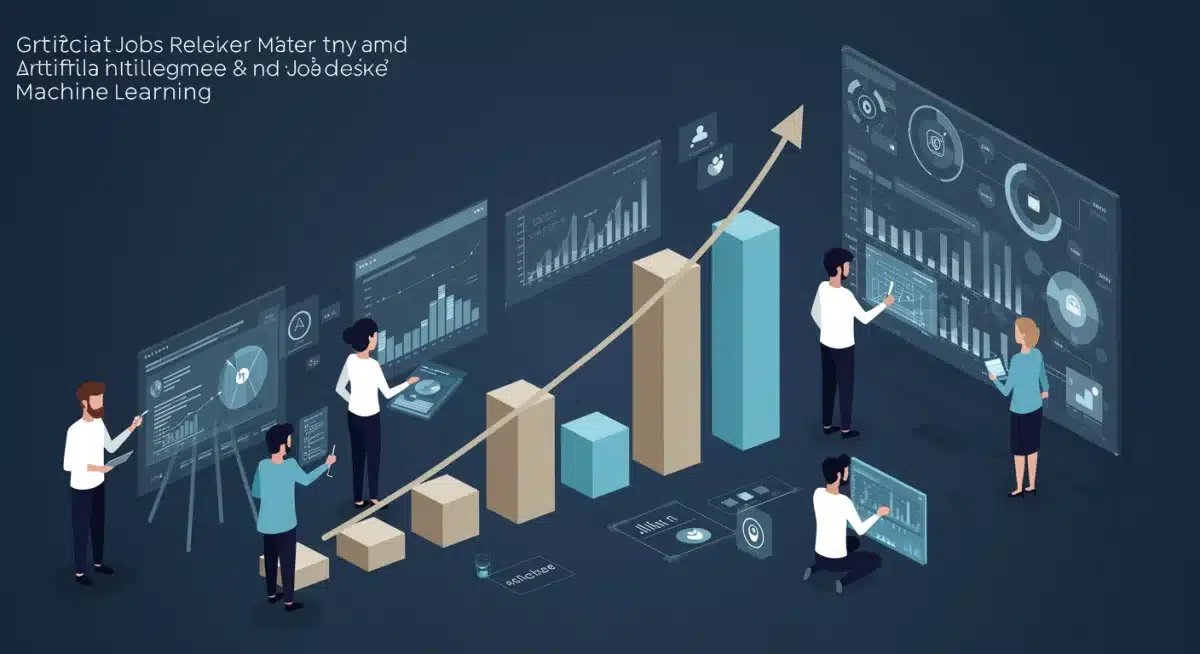
The rise of AI is undeniable, permeating nearly every aspect of our lives, from personalized recommendations to autonomous vehicles. A degree in Artificial Intelligence and Machine Learning (AI/ML) is perhaps the most critical emerging field. These programs equip students with a deep understanding of algorithms, data structures, neural networks, deep learning, natural language processing, and computer vision. Graduates are prepared for roles such as AI Engineer, Machine Learning Scientist, Data Scientist, Robotics Engineer, and AI Ethicist.
The demand for AI talent vastly outstrips supply, making this a highly competitive and lucrative field. Companies across all sectors – tech, finance, healthcare, manufacturing, and retail – are aggressively seeking professionals who can design, implement, and maintain AI systems. Furthermore, ethical considerations surrounding AI development are also giving rise to new specializations within this field, focusing on responsible AI and fairness.
Key skills acquired in these programs include advanced mathematics, programming (Python, R, Java), statistical modeling, data visualization, and problem-solving. Universities are increasingly offering specialized tracks within computer science departments or even dedicated AI schools. The interdisciplinary nature of AI means that a strong foundation in computer science, statistics, and even cognitive science is highly beneficial.
2. Master’s in Cybersecurity and Information Assurance
As our world becomes increasingly digital, the threat of cyberattacks grows exponentially. Businesses, governments, and individuals are all vulnerable to data breaches, ransomware, and other malicious activities. Consequently, the need for cybersecurity professionals is at an all-time high and continues to escalate. A Master’s in Cybersecurity and Information Assurance prepares students to protect digital assets, identify vulnerabilities, respond to incidents, and develop secure systems.
This program goes beyond basic IT security, delving into advanced topics such as network security, cryptography, ethical hacking, digital forensics, cloud security, and compliance. Graduates are highly sought after for roles like Cybersecurity Analyst, Security Engineer, Information Security Manager, Penetration Tester, and Chief Information Security Officer (CISO). The job market for cybersecurity professionals is projected to grow significantly faster than the average for all occupations, with a persistent shortage of skilled workers.
The curriculum often includes hands-on experience with security tools, simulated attack scenarios, and legal and ethical frameworks related to information security. A strong analytical mind, attention to detail, and a proactive approach to problem-solving are crucial for success in this field. Many programs also offer certifications that are highly valued by employers, further enhancing career prospects.
3. Bachelor’s/Master’s in Data Science and Analytics
Data is the new oil, and Data Scientists are the engineers who extract, refine, and utilize it. A degree in Data Science and Analytics equips students with the skills to collect, process, analyze, and interpret large datasets to extract meaningful insights and drive informed decision-making. This field is distinct from, but often overlaps with, AI/ML, focusing more on statistical analysis, data visualization, and business intelligence.
These programs typically cover topics such as statistical modeling, predictive analytics, machine learning fundamentals, database management, big data technologies (e.g., Hadoop, Spark), and programming languages like Python and R. Graduates find opportunities as Data Scientists, Data Analysts, Business Intelligence Analysts, Quantitative Analysts, and Statisticians across virtually every industry, including finance, marketing, healthcare, sports, and government.
The ability to translate complex data into actionable business strategies is a highly valued skill. As organizations become increasingly data-centric, the demand for professionals who can uncover patterns, forecast trends, and optimize operations will only intensify. Strong quantitative skills, critical thinking, and communication abilities are essential for success in this rapidly expanding field. Many programs also incorporate capstone projects where students work on real-world data challenges.
4. Bachelor’s/Master’s in Sustainable Development and Renewable Energy Engineering
With global climate change and resource depletion becoming increasingly pressing issues, degrees focused on sustainable development and renewable energy are gaining immense traction. These programs prepare students to design, implement, and manage solutions for environmental challenges, promote sustainable practices, and advance renewable energy technologies.
Sustainable Development programs often take an interdisciplinary approach, combining aspects of environmental science, economics, policy, urban planning, and social justice. Graduates can pursue careers as Sustainability Consultants, Environmental Policy Analysts, Urban Planners, Conservation Scientists, and Corporate Social Responsibility Managers. They work to create more resilient communities and businesses by integrating ecological principles with economic viability.
Renewable Energy Engineering degrees focus on the technical aspects of developing and deploying clean energy sources such as solar, wind, geothermal, and hydropower. These programs cover energy systems design, energy efficiency, power generation, and grid integration. Graduates become Renewable Energy Engineers, Energy Analysts, Project Managers for renewable energy projects, or researchers in sustainable technologies. The transition to a green economy is a global imperative, ensuring a robust job market for these specialists.

5. Master’s in Health Informatics and Digital Health
The healthcare industry is undergoing a significant digital revolution, driven by electronic health records, telehealth, wearable technology, and big data analytics. A Master’s in Health Informatics and Digital Health prepares professionals to bridge the gap between clinical practice, information technology, and data science within the healthcare ecosystem. This field is crucial for improving patient outcomes, optimizing healthcare delivery, and managing complex health data securely.
These programs typically cover topics such as healthcare data management, electronic health record (EHR) systems, health information exchange, clinical decision support systems, telemedicine technologies, data privacy (HIPAA compliance), and healthcare analytics. Graduates are in high demand for roles like Health Informatics Specialist, Clinical Data Analyst, Telehealth Coordinator, Medical and Health Services Manager, and Chief Medical Information Officer (CMIO).
The aging population, coupled with advancements in medical technology, ensures a continuous need for professionals who can manage and leverage health information effectively. This involves not only technical expertise but also an understanding of healthcare operations, patient care processes, and ethical considerations. These programs often attract individuals with backgrounds in healthcare, IT, or public health, seeking to specialize in this rapidly evolving intersection.
The Importance of Interdisciplinary Learning and Soft Skills
While specialized knowledge is paramount, the success of graduates in these emerging degree programs will also heavily depend on their ability to integrate knowledge from various disciplines and possess strong soft skills. The complex challenges of the future rarely fit neatly into a single academic box. Therefore, interdisciplinary learning, which encourages students to draw connections between different fields, is becoming increasingly vital.
- Critical Thinking and Problem-Solving: The ability to analyze complex situations, identify root causes, and devise innovative solutions is invaluable in any emerging field.
- Adaptability and Lifelong Learning: Technology and societal needs evolve rapidly. Graduates must be prepared to continuously learn new tools, techniques, and concepts throughout their careers.
- Communication Skills: Translating technical jargon into understandable language for diverse audiences, presenting findings clearly, and collaborating effectively are essential.
- Collaboration and Teamwork: Most complex projects in AI, cybersecurity, or sustainability require multidisciplinary teams working together.
- Ethical Reasoning: As technology advances, ethical dilemmas become more prevalent. Professionals need a strong moral compass and the ability to navigate complex ethical landscapes, particularly in fields like AI and health informatics.
Universities are increasingly incorporating these skills into their curricula through project-based learning, internships, and collaborative assignments. Prospective students should look for programs that not only offer cutting-edge technical knowledge but also foster the development of these crucial transferable skills.
Choosing the Right Emerging Degree Program
Selecting an emerging degree program is a significant decision. Here are some factors to consider:
- Personal Passion and Interests: While job market demand is important, genuine interest in the subject matter will fuel your motivation and lead to greater success.
- Career Goals: Research specific job roles within these fields to see which align best with your long-term aspirations. Conduct informational interviews with professionals already working in these areas.
- Program Curriculum: Dive deep into the course offerings. Does the program provide a strong theoretical foundation as well as practical, hands-on experience? Are there opportunities for internships or research?
- Faculty Expertise: Look for programs with faculty who are active researchers or practitioners in their respective fields. Their insights and connections can be invaluable.
- Accreditation and Reputation: Ensure the institution and program are accredited and have a good reputation. This impacts the value of your degree in the job market.
- Cost and Location: Consider tuition fees, living expenses, and the proximity to relevant industries for networking and job opportunities.
- Prerequisites: Be aware of any specific academic prerequisites for admission, especially for master’s programs which often require a background in a related field.
Many of these emerging fields also offer online or hybrid learning options, providing flexibility for working professionals or those in different geographic locations. Exploring bootcamps or specialized certifications can also be a valuable stepping stone or complement to a full degree, particularly for those looking to pivot careers quickly.
The Future of Work and Education
The U.S. job market in 2026 will be characterized by rapid innovation and a continuous need for upskilling and reskilling. The emerging degree programs discussed here – Artificial Intelligence and Machine Learning, Cybersecurity and Information Assurance, Data Science and Analytics, Sustainable Development and Renewable Energy Engineering, and Health Informatics and Digital Health – represent pathways to highly rewarding and impactful careers.
These fields are not merely transient trends; they are foundational pillars of the next economy. Investing in education within these areas means investing in a future-proof career, contributing to societal advancement, and playing a critical role in shaping the world of tomorrow. As technology continues to advance and global challenges intensify, the demand for experts in these specialized domains will only grow.
For individuals planning their educational journey or contemplating a career change, now is the time to consider these forward-looking degree options. For educational institutions, the challenge and opportunity lie in continually adapting curricula to meet these evolving demands, ensuring that graduates are not just prepared for today’s jobs, but equipped to lead in the industries of 2026 and beyond.
The decision to pursue higher education is a significant one. By aligning your educational choices with these powerful market trends, you can position yourself for success in the dynamic and ever-changing U.S. job landscape. The future is bright for those who choose to specialize in these critical and innovative fields.