Congress Votes on Critical Infrastructure Bill: $50 Billion for Smart Grid
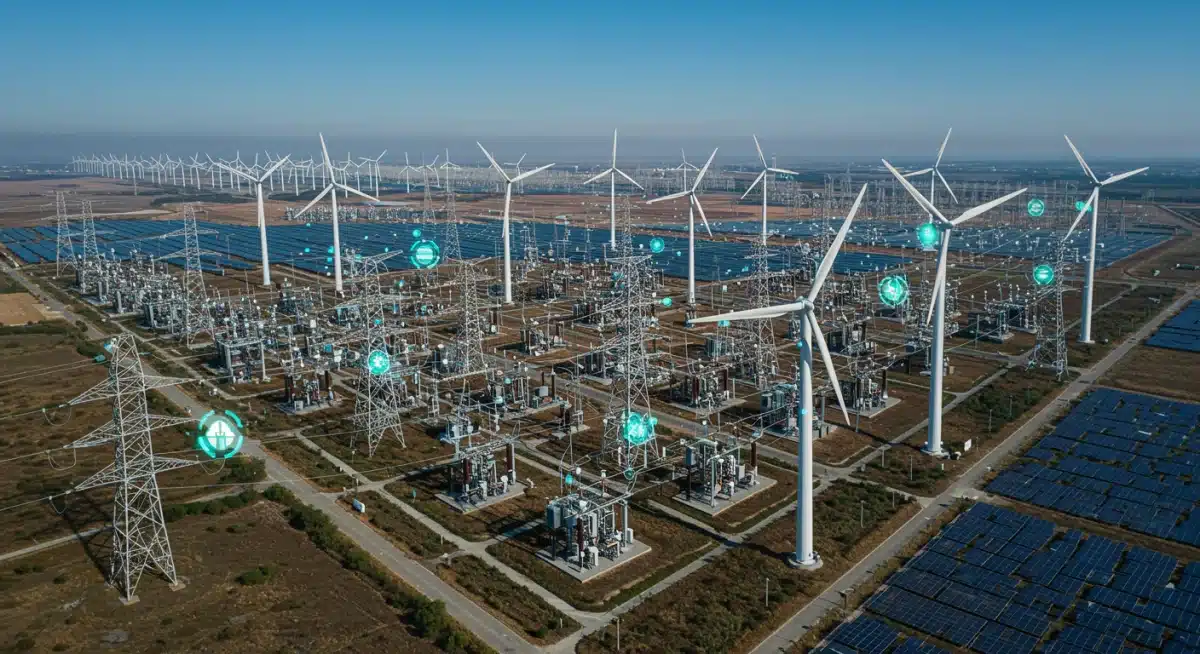
A new critical infrastructure bill, currently before Congress, could allocate $50 billion to smart grid projects by 2025, fundamentally transforming the nation’s energy landscape and ensuring a more resilient power supply.
This week, a significant legislative milestone approaches as Congress prepares to vote on a critical infrastructure bill that could allocate a staggering $50 billion to smart grid projects by 2025. This proposed investment represents a monumental step towards modernizing the nation’s aging power infrastructure, promising enhanced reliability, efficiency, and security for energy delivery across the United States. The implications of such a bill are far-reaching, touching every aspect of how Americans consume and interact with electricity.
The Urgency of Smart Grid Modernization
The current state of America’s electrical grid is a complex tapestry of outdated components and analog systems, largely unchanged since its inception. This antiquated infrastructure is increasingly vulnerable to extreme weather events, cyberattacks, and the growing demands of a digital society. Modernizing this grid is not merely an upgrade; it’s a necessity for national security and economic stability.
The proposed legislation aims to address these vulnerabilities head-on, providing the necessary financial impetus to transition to a smart grid. This intelligent network utilizes digital technology to monitor, protect, and automatically optimize the performance of interconnected elements, from generation to consumption.
Why the Existing Grid Fails
Several factors contribute to the fragility of the traditional grid, making modernization a critical concern:
- Aging Infrastructure: Much of the grid was built in the mid-20th century, with components exceeding their intended lifespan.
- Centralized Design: A centralized structure makes the entire system susceptible to widespread outages from single points of failure.
- Lack of Real-time Data: Traditional grids offer limited visibility into power flow and demand, hindering efficient management.
- Vulnerability to Threats: Physical and cyber threats pose significant risks to an analog system not designed for modern challenges.
Investing in a smart grid is about building a future-proof energy system. It is about creating a network that can adapt to changing energy demands, integrate diverse power sources, and recover quickly from disruptions. This foundational shift will benefit both consumers and industries alike, fostering innovation and reducing energy waste.
Understanding the Critical Infrastructure Bill’s Scope
The critical infrastructure bill currently under congressional review is comprehensive, extending beyond just energy to encompass various sectors like transportation, water, and broadband. However, the allocation of $50 billion specifically for smart grid projects highlights the profound importance policymakers place on energy infrastructure resilience and innovation.
This substantial funding is intended to fuel a wide array of initiatives, from upgrading transmission lines to deploying advanced metering infrastructure. The bill’s language emphasizes not only technological advancements but also the creation of a more equitable and sustainable energy future for all Americans.
Key Areas of Investment
The $50 billion allocation is expected to target several crucial areas within smart grid development:
- Grid Resiliency and Reliability: Funding for projects that strengthen the grid against physical and cyber threats, ensuring continuous power supply.
- Renewable Energy Integration: Investments to facilitate the seamless incorporation of solar, wind, and other renewable energy sources into the national grid.
- Energy Efficiency and Demand Response: Support for technologies that enable consumers to manage their energy consumption more effectively and participate in demand response programs.
- Cybersecurity Enhancements: Dedicated resources to protect critical energy infrastructure from increasingly sophisticated cyberattacks.
The bill seeks to create a ripple effect, stimulating economic growth through job creation in engineering, manufacturing, and construction, while simultaneously enhancing the nation’s energy independence. This investment acknowledges that a robust and intelligent energy grid is fundamental to the nation’s prosperity and security in the 21st century.
Economic Impact and Job Creation
The injection of $50 billion into smart grid projects is not just an infrastructure upgrade; it’s a significant economic stimulus package. The scale of this investment is expected to generate tens of thousands of jobs across various sectors, from high-tech research and development to skilled labor in construction and installation. This economic boost comes at a crucial time, providing opportunities for growth and innovation.
The modernization effort will require a diverse workforce, including electrical engineers, cybersecurity specialists, data analysts, and construction workers. This demand will foster new training programs and educational opportunities, creating a skilled labor force capable of maintaining and evolving the smart grid for decades to come.
Anticipated Economic Benefits
The economic benefits extend beyond direct job creation:
- Increased Productivity: A more reliable and efficient energy supply reduces business disruptions and operational costs.
- Technological Innovation: Stimulates investment in new technologies and research within the energy sector.
- Reduced Energy Costs: Improved efficiency and better management of energy resources can lead to lower costs for consumers and businesses.
- Enhanced Competitiveness: A modern grid attracts investment and supports advanced manufacturing, making the U.S. more competitive globally.
Furthermore, the long-term economic advantages include reduced costs associated with power outages, which currently amount to billions of dollars annually. By preventing these disruptions, the smart grid will safeguard economic activity and ensure greater stability for businesses and households.
Enhancing National Security and Resilience
Beyond economic benefits, a primary driver for the proposed smart grid funding is the imperative to enhance national security. The current electrical grid is a tempting target for adversaries, and a successful attack could cripple critical services, disrupt daily life, and undermine national defense capabilities. The smart grid offers a robust defense against these threats.
By incorporating advanced cybersecurity measures and decentralized control systems, the modernized grid becomes inherently more resilient. It can detect and isolate threats more effectively, preventing localized incidents from cascading into widespread blackouts. This enhanced resilience is vital in an increasingly complex geopolitical landscape.

The bill’s focus on cybersecurity is particularly critical. As the grid becomes more interconnected and reliant on digital communication, the attack surface expands. The $50 billion allocation will enable significant investments in state-of-the-art security protocols, threat intelligence, and a skilled workforce dedicated to protecting this vital infrastructure.
How Smart Grid Bolsters Security
The smart grid contributes to national security in several key ways:
- Cyberattack Deterrence: Advanced encryption and intrusion detection systems make cyberattacks more difficult and less effective.
- Physical Security: Enhanced monitoring and rapid response capabilities protect physical assets from sabotage.
- Disaster Recovery: The ability to self-heal and reroute power quickly minimizes the impact of natural disasters and other disruptions.
- Decentralization: Distributing power generation and control makes the entire system less vulnerable to a single point of failure.
Ultimately, a resilient smart grid is a cornerstone of national security, ensuring that essential services remain operational even in the face of significant challenges. This investment is not just about keeping the lights on; it’s about safeguarding the nation’s critical functions and protecting its citizens.
Integrating Renewable Energy Sources
The allocation of $50 billion to smart grid projects by 2025 is also a powerful catalyst for the integration of renewable energy sources into the national power system. The traditional grid struggles to accommodate the intermittent nature of solar and wind power, leading to inefficiencies and limitations in their deployment. A smart grid, however, is designed to manage these fluctuations seamlessly.
Through advanced sensors, real-time data analysis, and intelligent control systems, the smart grid can balance the supply and demand of variable renewable energy, ensuring grid stability. This capability is crucial for achieving ambitious climate goals and reducing reliance on fossil fuels, paving the way for a cleaner energy future.
The bill’s funding will support the development of infrastructure that can effectively transmit renewable energy from remote generation sites to population centers, and also facilitate the growth of distributed energy resources, such as rooftop solar panels and community batteries. This decentralized approach enhances energy independence and empowers local communities.
Benefits for Renewable Energy
The smart grid’s role in advancing renewable energy is multifaceted:
- Enhanced Grid Stability: Manages fluctuations from intermittent sources like wind and solar, maintaining consistent power flow.
- Improved Transmission: Facilitates the efficient transfer of renewable energy over long distances to where it’s needed.
- Decentralized Energy: Supports the integration of localized renewable generation, reducing transmission losses.
- Energy Storage Optimization: Enables better management of battery storage systems, crucial for balancing renewable supply and demand.
By investing in smart grid technologies, Congress is not only modernizing infrastructure but also accelerating the transition to a sustainable energy economy. This strategic move will unlock the full potential of renewable energy, making it a more reliable and cost-effective component of the nation’s power portfolio.
Challenges and Future Outlook
While the prospect of $50 billion for smart grid projects is exciting, the implementation of such a massive undertaking is not without its challenges. Technical hurdles, regulatory complexities, and the need for a skilled workforce are all significant considerations. However, the potential benefits far outweigh these obstacles, promising a transformative impact on the nation’s energy landscape.
The successful deployment of a nationwide smart grid will require close collaboration between federal and state governments, utility companies, technology providers, and academic institutions. Establishing clear standards, ensuring interoperability, and addressing cybersecurity concerns will be paramount throughout the process. Public education and engagement will also be crucial to build support and facilitate adoption of new technologies.
Looking ahead to 2025 and beyond, the smart grid is envisioned as a dynamic, self-healing network that seamlessly integrates diverse energy sources, responds intelligently to demand, and provides unprecedented reliability. This future-proof infrastructure will not only power homes and businesses but also serve as the backbone for emerging technologies like electric vehicles and smart cities.
Overcoming Implementation Hurdles
Key challenges that need to be addressed include:
- Interoperability Standards: Ensuring all new and existing components can communicate and work together effectively.
- Cybersecurity Evolution: Continuously adapting security measures to counter new and evolving threats.
- Workforce Development: Training a new generation of engineers and technicians with specialized smart grid skills.
- Regulatory Frameworks: Updating policies to support innovation and efficient deployment of new technologies.
The critical infrastructure bill represents a pivotal moment, offering the financial resources and political will to overcome these challenges. The successful execution of these smart grid projects will solidify the United States’ position as a leader in energy innovation, ensuring a resilient, sustainable, and secure energy future for generations to come.
| Key Aspect | Brief Description |
|---|---|
| Funding Amount | $50 billion allocated for smart grid projects by 2025. |
| Primary Goal | Modernize aging US electrical infrastructure for resilience and efficiency. |
| Key Benefits | Enhanced security, renewable integration, job creation, and economic growth. |
| Impact Timeline | Significant advancements and deployments expected by 2025. |
Frequently Asked Questions About the Smart Grid Bill
The primary goal is to modernize the United States’ aging electrical grid, enhancing its resilience against physical and cyber threats, improving efficiency, and facilitating the integration of renewable energy sources. This investment aims to create a more reliable and secure energy infrastructure for the nation.
Consumers can expect improved power reliability, fewer outages, and potentially lower energy costs due to increased efficiency and better management of resources. The smart grid will also empower consumers with more control over their energy consumption through advanced metering and demand-response programs.
A smart grid is crucial for effectively integrating renewable energy sources like solar and wind power. It can manage their intermittent nature, balance supply and demand in real-time, and optimize transmission, making it easier to incorporate more clean energy into the national power mix.
Yes, a significant portion of the funding is expected to be allocated towards enhancing the cybersecurity of critical energy infrastructure. This includes implementing advanced digital defenses, improving threat detection capabilities, and training a specialized workforce to protect the grid from cyberattacks.
The bill aims to allocate $50 billion to smart grid projects by 2025, indicating a rapid deployment and implementation timeline. While full modernization will take longer, significant advancements in resilience, efficiency, and renewable integration are anticipated within this period.
Conclusion
The congressional vote on the critical infrastructure bill, with its potential allocation of $50 billion for smart grid projects by 2025, marks a pivotal moment for the United States. This investment is not merely about upgrading wires and transformers; it represents a commitment to a more secure, efficient, and sustainable energy future. By addressing vulnerabilities, fostering economic growth, and accelerating renewable energy integration, the smart grid initiative promises to deliver profound benefits for national security, economic stability, and the daily lives of American citizens for decades to come. The successful implementation of this legislation will undoubtedly redefine the nation’s energy landscape.