Federal Reserve Rate Hikes 2026: Mortgage Impact Explained
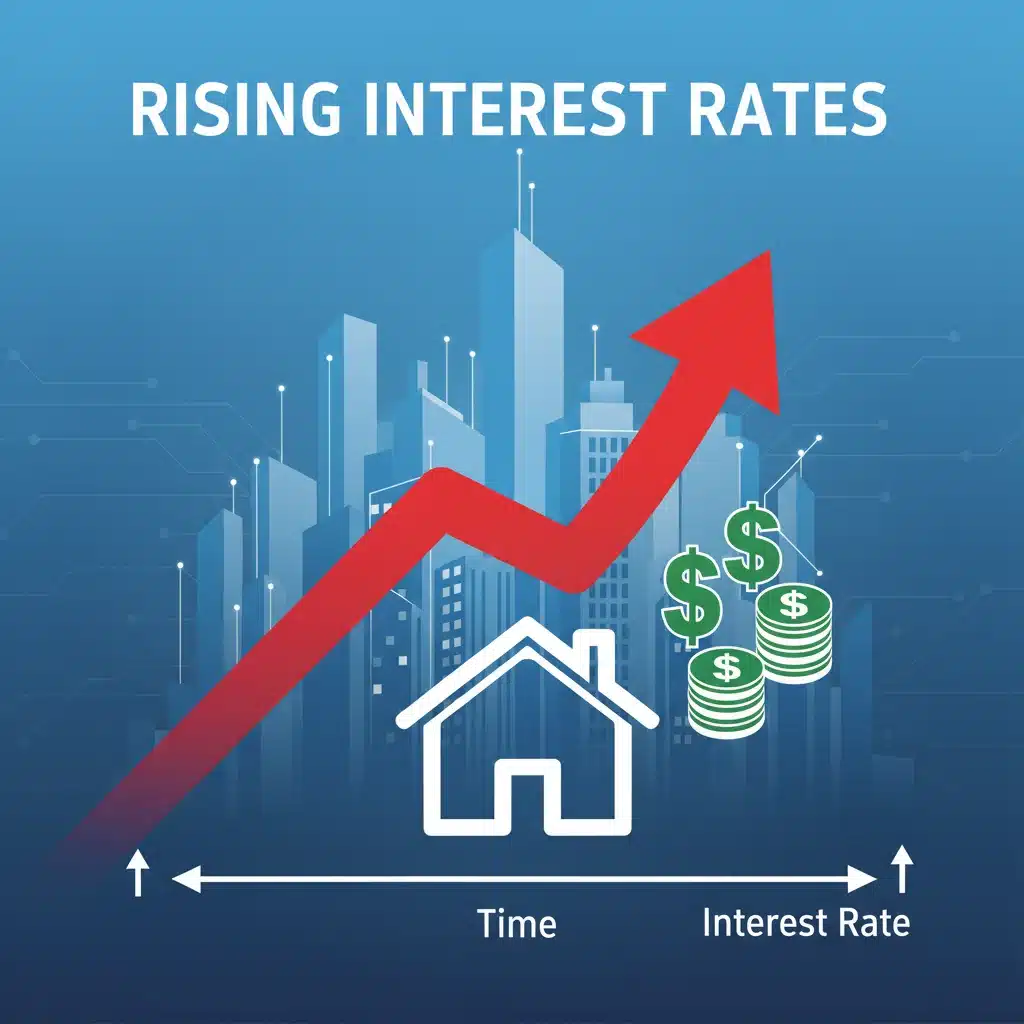
Understanding the Latest Federal Reserve Rate Hikes: What They Mean for Your Mortgage in 2026
The financial landscape is ever-evolving, and few factors exert as much influence on the average American household as the actions of the Federal Reserve. As we look towards 2026, the prospect of further mortgage rate hikes by the Federal Reserve looms large, prompting homeowners and prospective buyers alike to consider what these changes could mean for their financial futures. This comprehensive guide will delve into the intricacies of Fed rate hikes, their direct and indirect implications for your mortgage, and provide actionable strategies to navigate the potential shifts in the housing market.
The Federal Reserve’s Role and the Mechanism of Rate Hikes
To truly grasp the impact of potential mortgage rate hikes, it’s essential to understand the Federal Reserve’s mandate and how its decisions ripple through the economy. The Federal Reserve, often referred to as the Fed, serves as the central bank of the United States. Its primary goals are to maximize employment, stabilize prices (control inflation), and moderate long-term interest rates. To achieve these objectives, the Fed employs various monetary policy tools, with the federal funds rate being one of the most prominent.
What is the Federal Funds Rate?
The federal funds rate is the target interest rate set by the Federal Open Market Committee (FOMC) at which commercial banks borrow and lend their excess reserves to each other overnight. While the Fed doesn’t directly control mortgage rates, changes to the federal funds rate have a cascading effect on other interest rates throughout the economy, including those for mortgages, auto loans, and credit cards.
How Rate Hikes Work
When the Fed decides to raise the federal funds rate, it generally does so to combat inflation. By making it more expensive for banks to borrow money, the Fed aims to slow down economic activity, reduce demand, and thereby cool down rising prices. This increase in the cost of borrowing for banks is then passed on to consumers and businesses in the form of higher interest rates on various loans.
The Direct Link: Federal Funds Rate and Mortgage Rates
The connection between the federal funds rate and mortgage rates is not always direct or immediate, but it is undeniably strong. Mortgage rates, particularly for fixed-rate mortgages, are more closely tied to the yield on U.S. Treasury bonds, especially the 10-year Treasury note. However, the Fed’s actions significantly influence these bond yields. When the Fed signals a hawkish stance (indicating future rate hikes) or actually implements them, bond investors often anticipate higher inflation or a stronger economy, leading them to demand higher yields to compensate for the perceived risk or opportunity cost. This, in turn, pushes up mortgage rates.
Adjustable-Rate Mortgages (ARMs) and Rate Hikes
For homeowners with adjustable-rate mortgages (ARMs), the impact of mortgage rate hikes is often more direct and immediate. ARMs typically have an initial fixed-rate period, after which their interest rate adjusts periodically based on a predetermined index, such as the Secured Overnight Financing Rate (SOFR) or the London Interbank Offered Rate (LIBOR, though largely being phased out). As the federal funds rate influences these underlying indices, an increase in the Fed rate will likely result in higher monthly payments for ARM holders once their fixed-rate period expires and the loan resets.
Anticipating 2026: Why More Rate Hikes?
Predicting the exact trajectory of Federal Reserve policy in 2026 is challenging, as it depends heavily on prevailing economic conditions, inflation trends, and global events. However, several factors could necessitate further mortgage rate hikes:
- Persistent Inflation: If inflation remains stubbornly above the Fed’s target of 2%, the central bank may continue to raise rates to bring prices under control. Supply chain issues, geopolitical tensions, and strong consumer demand could all contribute to sustained inflationary pressures.
- Strong Economic Growth: A robust economy with low unemployment can also fuel inflation. If the economy continues to grow at a healthy pace, the Fed might feel compelled to raise rates to prevent overheating.
- Wage Growth: Significant and sustained wage growth, while beneficial for workers, can also contribute to inflationary pressures as businesses pass on higher labor costs to consumers.
- Global Economic Factors: International economic developments, such as commodity price fluctuations or currency movements, can also influence the Fed’s decisions.
It’s crucial to remember that the Fed operates based on data-driven decisions, and its policy will adapt as economic indicators evolve. Therefore, staying informed about economic reports and Fed announcements will be key to understanding the likelihood of future mortgage rate hikes.
The Impact of Mortgage Rate Hikes on Homeowners
For existing homeowners, the impact of rising mortgage rate hikes varies depending on their loan type:
Fixed-Rate Mortgage Holders
If you have a fixed-rate mortgage, your interest rate and monthly payments will remain unchanged regardless of what the Federal Reserve does. This provides a significant buffer against rising rates and offers payment stability. However, even fixed-rate holders are not entirely immune to the broader economic effects of rate hikes. For instance, if you’re considering selling your home and buying another, the higher rates could impact your next mortgage.
Adjustable-Rate Mortgages (ARM) Holders
As mentioned, ARM holders are most directly affected. When their loan resets, their interest rate will likely increase, leading to higher monthly payments. This can significantly strain household budgets if not properly planned for. It’s imperative for ARM holders to understand their loan terms, including the adjustment period, the index used, and any rate caps that may limit how much their interest rate can increase.
Home Equity Lines of Credit (HELOCs) and Home Equity Loans
HELOCs typically have variable interest rates, meaning payments will increase as the prime rate (which is directly influenced by the federal funds rate) rises. Home equity loans, on the other hand, often have fixed rates, offering more stability. Homeowners with HELOCs should be prepared for higher monthly payments if the Fed implements further mortgage rate hikes.
The Impact of Mortgage Rate Hikes on Prospective Homebuyers
For individuals looking to purchase a home in 2026, rising mortgage rate hikes present several challenges:
Reduced Affordability
Higher interest rates mean higher monthly mortgage payments for the same loan amount. This reduces purchasing power, as buyers may qualify for smaller loans or find that their desired homes are no longer within their budget. For example, even a one percentage point increase in mortgage rates can add hundreds of dollars to a monthly payment, significantly impacting affordability.
Increased Cost of Homeownership
Beyond the monthly payment, the overall cost of homeownership increases with higher rates. Over the life of a 30-year mortgage, a seemingly small increase in the interest rate can translate into tens of thousands of dollars in additional interest paid.
Cooling Housing Market
Higher rates typically lead to a cooling housing market. As fewer buyers can afford homes, demand may decrease, potentially leading to slower home price appreciation or even price declines in some areas. While this might seem beneficial for buyers in terms of less competition, it also means that the cost of financing remains elevated.

Strategies to Prepare for Mortgage Rate Hikes in 2026
Whether you’re a current homeowner or planning to buy, proactive planning is crucial to mitigate the effects of potential mortgage rate hikes. Here are several strategies to consider:
For Current Homeowners:
- Refinance to a Fixed-Rate Mortgage: If you currently have an ARM and rates are still relatively low, consider refinancing to a fixed-rate mortgage. This will lock in your interest rate and provide payment stability for the long term, protecting you from future rate increases.
- Pay Down Your Principal: Making extra principal payments can help reduce the overall amount of interest you pay over the life of your loan, even if your rate remains fixed. For ARM holders, reducing the principal balance before a rate reset will lessen the impact of higher rates on your monthly payments.
- Build an Emergency Fund: A robust emergency fund can provide a financial cushion if your mortgage payments increase or if other unexpected expenses arise. Aim for at least 3-6 months’ worth of essential living expenses.
- Review Your Budget: Re-evaluate your household budget to identify areas where you can cut expenses. This will free up more funds to absorb potential increases in mortgage payments or to make extra principal payments.
- Consider a Home Equity Loan Instead of a HELOC: If you need to tap into your home equity, a fixed-rate home equity loan might be a safer option than a variable-rate HELOC in a rising rate environment.
For Prospective Homebuyers:
- Get Pre-Approved for a Mortgage: Getting pre-approved provides a clear understanding of what you can afford and locks in an interest rate for a certain period, protecting you from immediate rate increases while you search for a home.
- Save a Larger Down Payment: A larger down payment reduces the amount you need to borrow, thereby lowering your monthly mortgage payment and the overall interest paid. This can significantly improve affordability in a rising rate environment.
- Improve Your Credit Score: A higher credit score can help you qualify for the best available interest rates, saving you money over the life of the loan. Pay bills on time, reduce debt, and monitor your credit report for errors.
- Consider a Shorter Loan Term: While 30-year mortgages are common, a 15-year mortgage typically comes with a lower interest rate. While monthly payments will be higher, you’ll pay significantly less interest over the life of the loan and build equity faster.
- Factor in Higher Rates When Budgeting: When determining your home-buying budget, don’t just consider current rates. Stress-test your budget by calculating payments at slightly higher interest rates to ensure you can comfortably afford the home if rates climb further.
- Explore Different Loan Options: Research various mortgage products. While fixed-rate mortgages offer stability, some government-backed loans (like FHA or VA loans) might offer competitive rates and terms for eligible borrowers.
The Broader Economic Implications of Rising Rates
Beyond individual mortgages, mortgage rate hikes have wider economic implications:
Impact on the Housing Market
Higher rates can slow down the housing market, leading to fewer sales and potentially moderating home price growth. This can be a double-edged sword: it might make homes more accessible for some buyers due to less competition, but it also means borrowing remains expensive. Developers might also slow down new construction in response to reduced demand and higher financing costs for their projects.
Consumer Spending and Economic Growth
When consumers face higher mortgage payments or other borrowing costs, they tend to have less disposable income for other goods and services. This can lead to a slowdown in consumer spending, which is a major driver of economic growth. The Fed’s goal with rate hikes is often to achieve a ‘soft landing’ – slowing inflation without triggering a recession – but this is a delicate balancing act.
Investment and Savings
Rising interest rates also affect savings accounts and other investments. While borrowing becomes more expensive, saving can become more attractive as banks offer higher yields on deposits. This can encourage individuals to save more, further reducing consumer spending in the short term.
Staying Informed and Adapting Your Financial Plan
The key to navigating potential mortgage rate hikes in 2026 is to stay informed and be adaptable. The Federal Reserve’s decisions are influenced by a complex interplay of economic data, including inflation reports, employment figures, GDP growth, and global economic stability.
Sources of Information:
- Federal Reserve Announcements: Follow the official statements and minutes from FOMC meetings. These provide direct insights into the Fed’s outlook and intentions.
- Economic News Outlets: Reputable financial news sources offer analysis and commentary on economic trends and their potential impact on Fed policy.
- Financial Advisors: Consulting with a qualified financial advisor can provide personalized guidance tailored to your specific situation and financial goals. They can help you assess your mortgage options and develop a comprehensive financial plan.
- Mortgage Lenders: Stay in touch with mortgage lenders to understand current rates and explore refinancing or new loan options.

Conclusion: Proactive Measures for Future Financial Stability
The prospect of Federal Reserve mortgage rate hikes in 2026 is a significant consideration for anyone involved in the housing market. While the future is always uncertain, understanding the mechanisms behind these changes and their potential impact allows for informed decision-making. By taking proactive steps such as reviewing your current mortgage, improving your financial health, and planning strategically, you can better position yourself to navigate a rising interest rate environment.
Remember that every financial situation is unique. What works for one person may not be suitable for another. Therefore, seeking professional advice and conducting thorough research are paramount. By staying vigilant and prepared, you can protect your financial stability and make the best choices for your home and your future in the face of evolving economic conditions.