US Renewable Energy Soars: 10% Adoption Increase by 2026
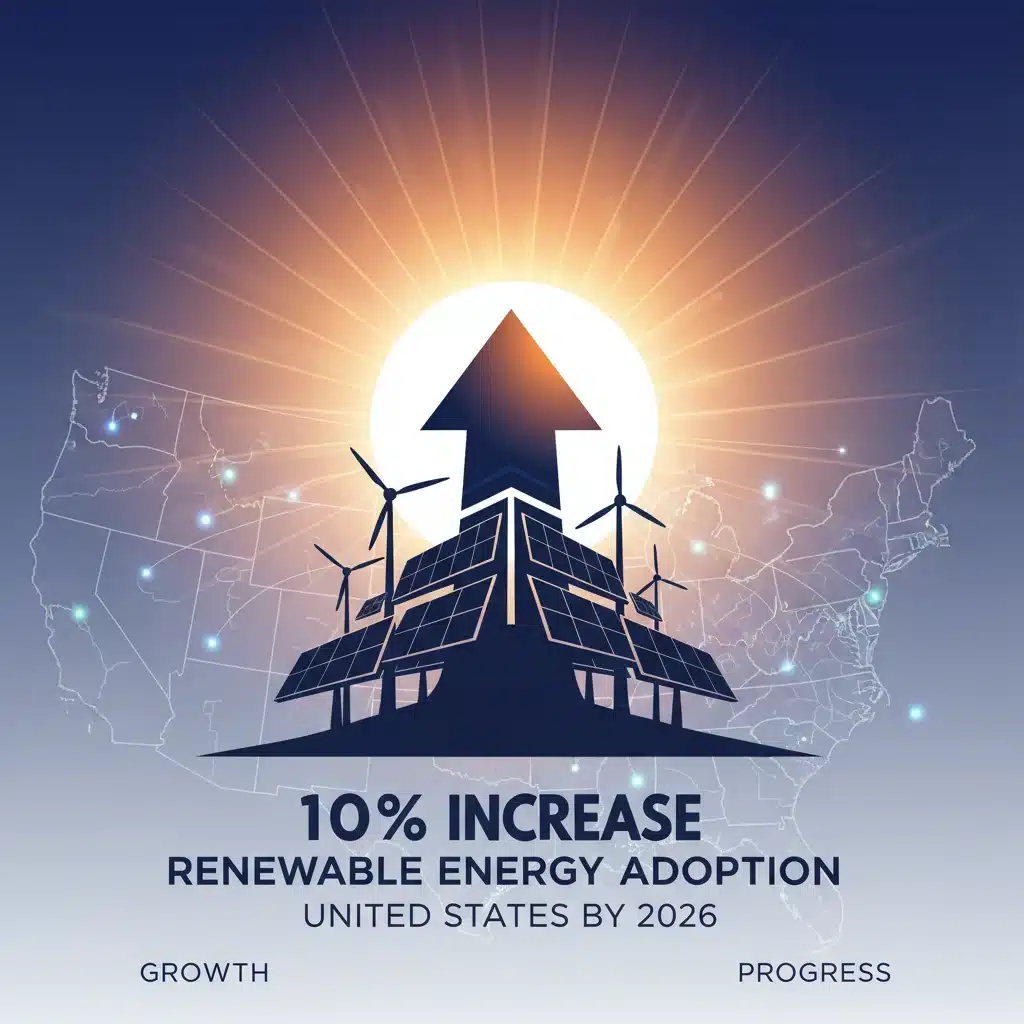
The landscape of energy production in the United States is undergoing a transformative shift, with a clear and accelerating pivot towards sustainable sources. A groundbreaking report from the Department of Energy (DoE) has unveiled a highly optimistic forecast: a projected 10% increase in US renewable energy adoption by 2026. This significant projection underscores a powerful momentum building within the nation’s energy sector, driven by a confluence of technological advancements, supportive policy frameworks, and an ever-growing environmental consciousness. The implications of such a substantial rise in US Renewable Energy Growth are far-reaching, promising not only a greener future but also economic prosperity and enhanced energy independence.
For decades, the United States has relied heavily on fossil fuels to power its economy and homes. However, the tides are turning. The DoE’s latest findings indicate a robust and sustained commitment to decarbonization and the embrace of clean energy technologies. This 10% increase isn’t just a number; it represents millions of homes powered by clean electricity, thousands of new green jobs, and a substantial reduction in carbon emissions. It’s a testament to the collective efforts of researchers, policymakers, industries, and consumers who are all contributing to this pivotal shift.
Understanding the Drivers Behind US Renewable Energy Growth
Several key factors are converging to propel this impressive US Renewable Energy Growth. Understanding these drivers is crucial to appreciating the magnitude and sustainability of this transition.
Technological Advancements and Cost Reduction
Perhaps the most significant catalyst for increased renewable energy adoption has been the dramatic improvement in technology and the corresponding reduction in costs. Solar photovoltaic (PV) panels, for instance, have seen their prices plummet by over 80% in the last decade, making solar power increasingly competitive with traditional energy sources. Similarly, wind turbine technology has evolved, leading to more efficient and larger turbines capable of generating more electricity at lower costs. Innovations in energy storage solutions, particularly battery technology, are also playing a critical role, addressing the intermittency challenges often associated with renewables.
These technological leaps are not slowing down. Ongoing research and development continue to push the boundaries of efficiency, durability, and affordability. This relentless innovation cycle ensures that renewable energy remains an attractive and viable option for both large-scale utility projects and individual consumers. The scalability of these technologies means that as demand for clean energy grows, the capacity to meet that demand with increasingly efficient and cost-effective solutions will also expand.
Supportive Government Policies and Incentives
Government policies and incentives at both federal and state levels have been instrumental in fostering US Renewable Energy Growth. Tax credits, such as the Investment Tax Credit (ITC) for solar and the Production Tax Credit (PTC) for wind, have provided crucial financial support, making renewable energy projects more economically attractive. State-level Renewable Portfolio Standards (RPS) mandate that a certain percentage of electricity come from renewable sources, creating a stable market for clean energy developers.
Furthermore, recent legislative actions, such as the Inflation Reduction Act, have supercharged investment in clean energy, offering substantial incentives for domestic manufacturing, deployment, and research. These policies provide long-term certainty for investors and developers, stimulating further investment and accelerating the transition away from fossil fuels. The continuity and expansion of such supportive frameworks are vital for sustaining the projected growth trajectory.
Growing Corporate and Consumer Demand
Beyond policy and technology, there’s a palpable shift in demand from both corporations and individual consumers. Many multinational corporations have committed to 100% renewable energy goals, driving significant investments in large-scale solar and wind projects. This corporate leadership not only reduces their carbon footprint but also demonstrates the economic viability and brand enhancement associated with sustainability.
On the consumer front, increasing awareness of climate change and the desire for more sustainable living are fueling demand for residential solar installations, electric vehicles, and green energy tariffs. Consumers are becoming more empowered to choose clean energy, and this bottom-up pressure is a powerful force contributing to the overall increase in US Renewable Energy Growth. The desire for energy independence and lower utility bills also plays a significant role in this growing adoption.
The Role of Key Renewable Technologies in the US Energy Mix
The 10% increase in US renewable energy adoption by 2026 will be largely propelled by the continued expansion of established renewable sources, with emerging technologies also playing an increasingly important role.
Solar Power: A Shining Future
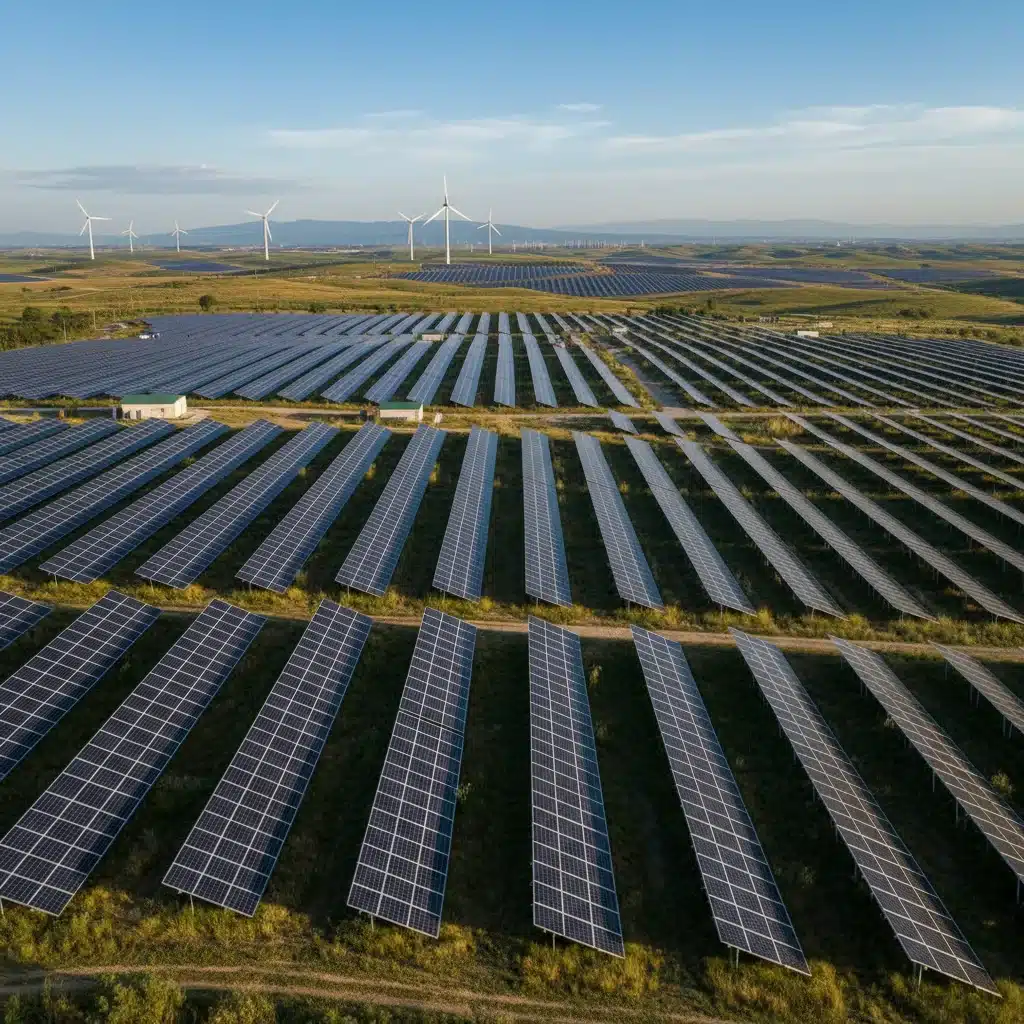
Solar energy remains at the forefront of US Renewable Energy Growth. Its versatility, from utility-scale solar farms to rooftop installations, allows for widespread deployment across diverse geographies. The continuous advancements in PV panel efficiency and energy storage solutions are making solar an even more reliable and cost-effective power source. The DoE report highlights significant planned solar projects that will come online in the coming years, contributing substantially to the projected increase. Moreover, community solar initiatives are expanding access to solar power for a broader range of consumers, including those who cannot install panels on their own roofs.
Wind Power: Harnessing Nature’s Force
Wind power, particularly onshore wind, has been a cornerstone of renewable energy growth in the US for years. The development of larger, more efficient turbines has allowed for greater energy capture, even in areas with moderate wind speeds. Offshore wind, while still in its nascent stages in the US, holds immense potential. The East Coast, in particular, is poised for significant offshore wind development, with massive projects expected to contribute gigawatts of clean electricity to densely populated areas. These projects are not only substantial in their energy output but also create a robust supply chain and thousands of skilled jobs.
Hydropower and Geothermal: Stable Baseload Contributions
While solar and wind often grab the headlines for their rapid growth, hydropower continues to be a crucial component of the US renewable energy portfolio, providing a reliable baseload power source. Geothermal energy, though less widespread, offers a constant, renewable heat source for electricity generation and direct heating, with significant untapped potential in certain regions of the country. These established technologies provide stability and diversity to the renewable energy mix, complementing the more intermittent nature of solar and wind.
Emerging Technologies and Innovation
Beyond the mainstream, emerging renewable technologies are also contributing to the overall US Renewable Energy Growth. Advanced geothermal systems, tidal and wave energy, and sustainable biofuels are all areas of active research and development. While their immediate contribution to the 2026 target might be smaller, their long-term potential for diversifying the energy mix and providing specialized solutions is considerable. Investment in these areas ensures a pipeline of future clean energy options.
Economic and Environmental Benefits of Increased Renewable Energy Adoption
The projected 10% increase in US renewable energy adoption is not merely an environmental victory; it is a strategic move with profound economic and societal benefits.
Job Creation and Economic Growth
The renewable energy sector is a significant engine for job creation. The construction, operation, and maintenance of solar farms, wind turbines, and other renewable energy infrastructure require a skilled workforce. The growth in US Renewable Energy Growth translates directly into thousands of new jobs across various sectors, from manufacturing and engineering to installation and project management. These are often well-paying, local jobs that boost regional economies. Furthermore, the development of a domestic clean energy supply chain reduces reliance on foreign energy sources, enhancing national energy security and fostering economic resilience.
Reduced Carbon Emissions and Improved Air Quality
One of the most immediate and impactful benefits of increased renewable energy adoption is the reduction in greenhouse gas emissions. Shifting away from fossil fuels to clean energy sources directly lowers carbon dioxide and other pollutant emissions, combating climate change and improving air quality. This has direct positive impacts on public health, reducing respiratory illnesses and healthcare costs. The DoE’s projection signifies a tangible step towards meeting national and international climate goals, demonstrating a commitment to a sustainable planet for future generations.
Energy Independence and Stability
Relying on domestically produced renewable energy enhances the nation’s energy independence, reducing vulnerability to geopolitical instabilities and fluctuating global fuel prices. Unlike fossil fuels, which are subject to market volatility and supply chain disruptions, renewable resources like sunlight and wind are abundant and free once the initial infrastructure is in place. This leads to greater energy price stability for consumers and businesses, providing a more predictable economic environment.
Innovation and Global Leadership
The aggressive pursuit of US Renewable Energy Growth positions the United States as a global leader in clean energy innovation. Continued investment in research and development not only improves existing technologies but also fosters the creation of entirely new solutions. This leadership in innovation creates export opportunities for American technologies and expertise, further boosting the economy and strengthening international partnerships in the fight against climate change. The race for clean energy dominance is a race the US is actively pursuing and winning.
Challenges and Opportunities on the Path to 2026 and Beyond
While the DoE report paints an optimistic picture, achieving and sustaining this 10% increase in US renewable energy adoption by 2026 will require overcoming certain challenges and seizing new opportunities.
Grid Modernization and Infrastructure Development
The existing electricity grid, largely built for a centralized fossil fuel-based system, needs significant modernization to accommodate a decentralized and intermittent renewable energy supply. This includes expanding transmission lines to bring renewable power from remote generation sites to population centers, as well as investing in smart grid technologies, microgrids, and advanced energy storage solutions. These infrastructure upgrades are crucial for ensuring grid reliability and integrating higher percentages of renewables seamlessly.
Permitting and Siting Issues
The development of large-scale renewable energy projects can face hurdles related to permitting processes, environmental reviews, and local community acceptance. Streamlining these processes while ensuring environmental protection and community engagement is vital for accelerating deployment. Addressing concerns from local stakeholders and finding equitable solutions for land use are critical for successful project implementation. This often involves careful planning, transparent communication, and benefit-sharing mechanisms for affected communities.
Workforce Development and Training
As the renewable energy sector expands, there will be a growing need for a skilled workforce. Investing in education, training programs, and apprenticeships is essential to ensure that there are enough qualified individuals to design, install, operate, and maintain renewable energy technologies. This includes retraining workers from traditional energy sectors, providing them with new opportunities in the green economy. A robust workforce is the backbone of sustained US Renewable Energy Growth.
Continued Research and Development
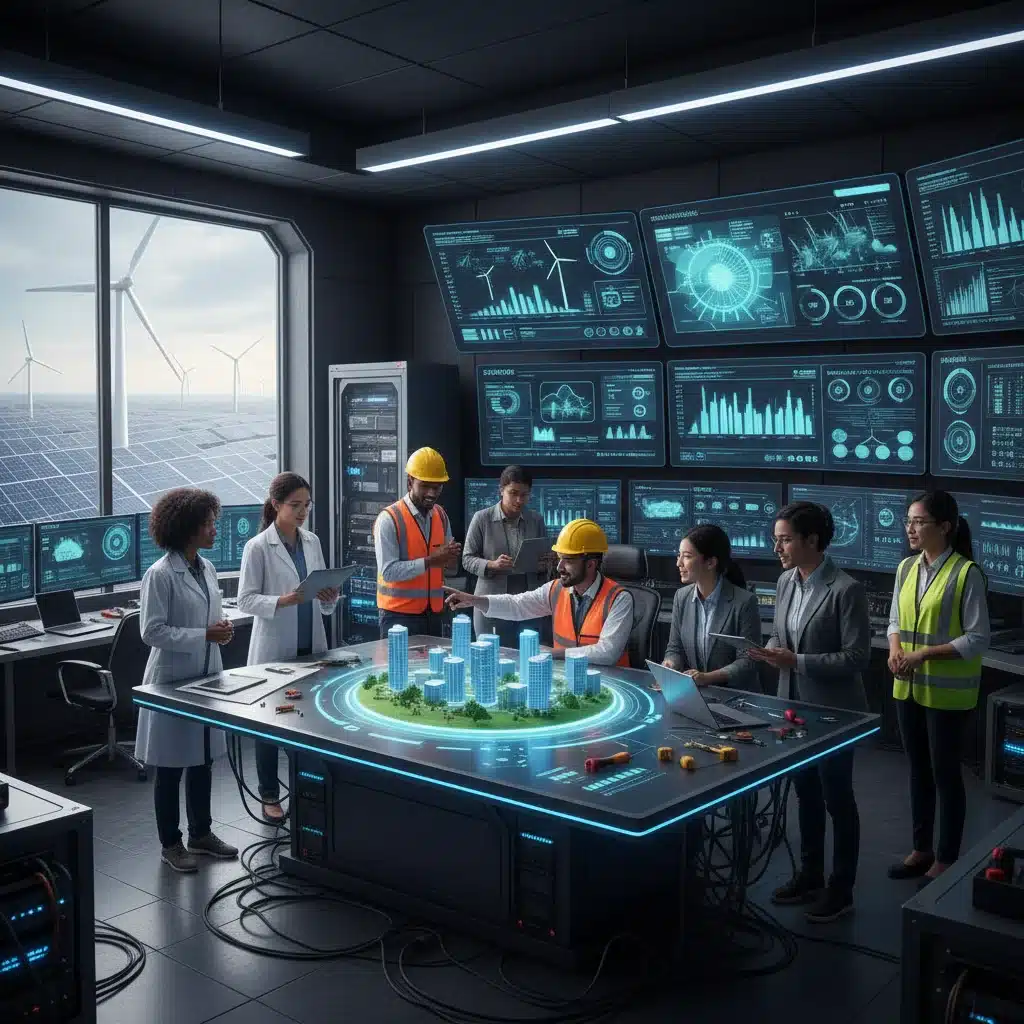
To push beyond the 2026 target and achieve even deeper decarbonization, continued investment in research and development is paramount. This includes improving the efficiency and cost-effectiveness of existing technologies, developing breakthrough energy storage solutions, exploring novel renewable energy sources, and enhancing grid integration technologies. Public and private sector collaboration in R&D will be key to unlocking the next generation of clean energy innovations.
The Future of US Energy: A Sustainable Trajectory
The Department of Energy’s report forecasting a 10% increase in US renewable energy adoption by 2026 is a powerful indicator of the nation’s commitment to a clean energy future. This projection is not merely aspirational; it is grounded in current trends, technological momentum, and supportive policy environments. The continued expansion of solar and wind power, coupled with advancements in energy storage and grid modernization, will fundamentally reshape how the United States generates and consumes electricity.
This significant shift towards US Renewable Energy Growth offers a multitude of benefits, from combating climate change and improving public health to stimulating economic growth and enhancing energy security. While challenges remain, the collective will and innovative spirit of the nation are poised to overcome them. The path to 2026 is a critical milestone on a much longer journey towards a fully sustainable and resilient energy system. The United States is not just adopting renewable energy; it is embracing a new era of energy independence, environmental stewardship, and economic opportunity, setting a powerful example for the rest of the world to follow.
The momentum is undeniable. With each passing year, the share of renewables in the national energy mix grows, bringing us closer to a future where clean, abundant energy is the norm, not the exception. This 10% increase is a clear signal that the transition is well underway, promising a brighter, cleaner, and more prosperous future for all Americans.