2026 FAFSA Changes: Your Guide to Maximizing Financial Aid

Navigating the 2026 FAFSA Changes: A Step-by-Step Guide for U.S. Families to Maximize Aid Eligibility
The Free Application for Federal Student Aid (FAFSA) is a cornerstone of college affordability for millions of U.S. families. Each year, it unlocks billions of dollars in grants, scholarships, work-study funds, and federal student loans. However, the landscape of financial aid is continuously evolving, and significant reforms are on the horizon. The 2026 FAFSA changes represent one of the most substantial overhauls in decades, promising to simplify the application process for some while introducing new complexities for others. Understanding these changes proactively is not just an advantage; it’s a necessity for families aiming to maximize their aid eligibility.
For many years, the FAFSA has been criticized for its length and often confusing questions. The upcoming reforms aim to address these issues, but they also bring a new methodology for calculating financial need, which will impact how aid is distributed. This comprehensive guide will walk U.S. families through everything they need to know about the 2026 FAFSA changes, from the core legislative motivations to practical strategies for preparation and optimization.
Our goal is to demystify the process, providing actionable insights that empower you to navigate these new rules with confidence and secure the best possible financial aid package for your student’s higher education journey.
The Genesis of Change: Why the FAFSA is Evolving
The journey to the 2026 FAFSA changes began with the FAFSA Simplification Act, passed as part of the Consolidated Appropriations Act of 2021. This bipartisan legislation was designed to make the federal student aid application process easier, more streamlined, and more equitable. The core objectives included:
- Simplifying the Application: Reducing the number of questions and making the language clearer.
- Expanding Pell Grant Eligibility: Broadening access to federal Pell Grants for more low-income students.
- Updating Need Analysis: Revising the formula used to determine a student’s financial need.
While some aspects of the Simplification Act have already been implemented (like the shift from “Expected Family Contribution” or EFC to “Student Aid Index” or SAI), the 2026 cycle will see the full impact of these reforms. These are not minor tweaks; they represent a fundamental shift in how federal student aid is calculated and distributed. Families need to be aware that the traditional strategies for optimizing aid might require adjustment in light of these new rules.
Key 2026 FAFSA Changes: What You Need to Know
Let’s dive into the most significant aspects of the 2026 FAFSA changes that will directly affect your financial aid eligibility.
1. The Shift from EFC to SAI: More Than Just a Name Change
Perhaps the most significant change is the replacement of the Expected Family Contribution (EFC) with the Student Aid Index (SAI). While both are indices of a family’s financial strength, the methodology behind the SAI is different and has several critical implications:
- Minimum SAI: Unlike the EFC, which could not go below zero, the SAI can be as low as -1,500. This doesn’t mean you’ll receive a check for $1,500, but it does indicate a higher level of financial need, potentially qualifying students for maximum Pell Grant awards and other need-based aid.
- Income Protection Allowances: The SAI calculation includes more generous income protection allowances, meaning a larger portion of a family’s income is shielded from the calculation, potentially lowering their SAI.
- No. of Children in College Removed: This is a major point of concern for many families. Previously, the EFC formula divided a family’s contribution by the number of children concurrently enrolled in college. Under the SAI methodology, this factor has been removed. This means families with multiple children in college simultaneously may see their eligibility for need-based aid significantly reduced, as the SAI will be the same for each child, rather than effectively halved or quartered. This is one of the most impactful 2026 FAFSA changes for larger families.
2. Streamlined Application Process and Data Retrieval
The FAFSA itself is getting a facelift. The number of questions is significantly reduced, making the form shorter and, hopefully, less daunting. The IRS Direct Data Exchange (DDX), formerly the IRS Data Retrieval Tool (DRT), will be mandatory for most applicants. This tool securely transfers tax information directly from the IRS to the FAFSA, reducing errors and simplifying the process. All contributors (student, parents, and spouse, if applicable) must consent to the DDX, even if they didn’t file taxes.
3. Changes to Asset Reporting
The treatment of certain assets is also evolving:
- Small Business and Farm Exclusion: Previously, small businesses and farms owned by families (with 100 or fewer full-time employees) were often excluded from the asset calculation. Under the new rules, the net worth of these assets will be included, potentially increasing the SAI for families who own them. This is another critical aspect of the 2026 FAFSA changes that business owners need to understand.
- Cash Value of Life Insurance: The cash value of life insurance policies will continue to be excluded from assets.
- Parental Assets: The assessment rate for parental assets is reduced from a maximum of 5.64% to a flat 5%.
4. Child Support and Other Untaxed Income
Child support received will now be reported as an asset, not as untaxed income. This is a subtle but important distinction that could impact the overall SAI calculation for custodial parents. Other untaxed income categories may also see adjustments.
5. Pell Grant Eligibility Expansion
One of the primary goals of the FAFSA Simplification Act was to expand Pell Grant eligibility. The new formula aims to achieve this in several ways:
- Maximum Pell Grant Eligibility: Students from households below 175% of the federal poverty level (or 225% for single-parent households) will automatically qualify for a maximum Pell Grant.
- Minimum Pell Grant Eligibility: Students from households above 275% of the federal poverty level (or 325% for single-parent households) may still qualify for a minimum Pell Grant based on their SAI and cost of attendance.
This expansion is a significant benefit for many low- and middle-income families, making college more accessible.
Impact Analysis: Who Wins and Who Loses?
The 2026 FAFSA changes will have varying impacts across different family demographics:
- Lower-Income Families: Generally, these families are expected to benefit the most, with expanded Pell Grant eligibility and potentially lower SAIs due to increased income protection allowances.
- Families with Multiple Children in College: These families are likely to see a decrease in need-based aid eligibility because the “number in college” factor has been removed. This could significantly increase their out-of-pocket costs.
- Small Business Owners and Farmers: The inclusion of small business and farm net worth in assets could lead to higher SAIs for these families, potentially reducing their aid eligibility.
- Families with Moderate Incomes and Few Assets: These families might see a slight increase in aid due to higher income protection allowances.
It’s crucial to remember that these are general trends. Each family’s specific circumstances will dictate their individual outcome under the new rules. This underscores the importance of understanding the 2026 FAFSA changes in detail and planning accordingly.
Preparing for the 2026 FAFSA: A Step-by-Step Approach
Proactive preparation is key to navigating the 2026 FAFSA changes successfully. Here’s a step-by-step guide for U.S. families:
Step 1: Understand Your Financial Picture
Before you even look at the FAFSA, get a clear understanding of your current financial situation. This includes:
- Income: Gather your most recent tax returns (for the 2024 tax year, as the 2026-2027 FAFSA will use 2024 income data). Understand your adjusted gross income (AGI) and any untaxed income.
- Assets: Inventory all reportable assets, including checking and savings accounts, investments (stocks, bonds, mutual funds, CDs, 529 plans owned by parents), and potentially the net worth of small businesses or farms. Remember, primary residence equity, retirement accounts (401k, IRA, 403b, pensions), and life insurance cash value are generally not reported.
- Household Size: Know exactly how many people are in your household and how many will be attending college. While the “number in college” no longer directly impacts the SAI, it remains a factor for institutional aid formulas at some colleges.
Step 2: Create an FSA ID for All Contributors
Every “contributor” to the FAFSA – the student, their parents (if dependent), and their spouse (if applicable) – must have a Federal Student Aid (FSA) ID. This is a username and password used to log in to federal student aid websites and electronically sign the FAFSA. It’s essential that each individual creates their own FSA ID using a unique email address and phone number. Do this well in advance, as it can take a few days for an FSA ID to become active.
Step 3: Gather Necessary Documents
While the FAFSA is more streamlined, you’ll still need specific documents. For the 2026-2027 FAFSA, you will primarily need:
- Social Security Numbers: For the student and all parents.
- Federal Tax Information: Your 2024 federal income tax returns (IRS Form 1040, W-2s, and other income records).
- Records of Assets: Bank statements, investment account statements, and records of any other reportable assets as of the day you complete the FAFSA.
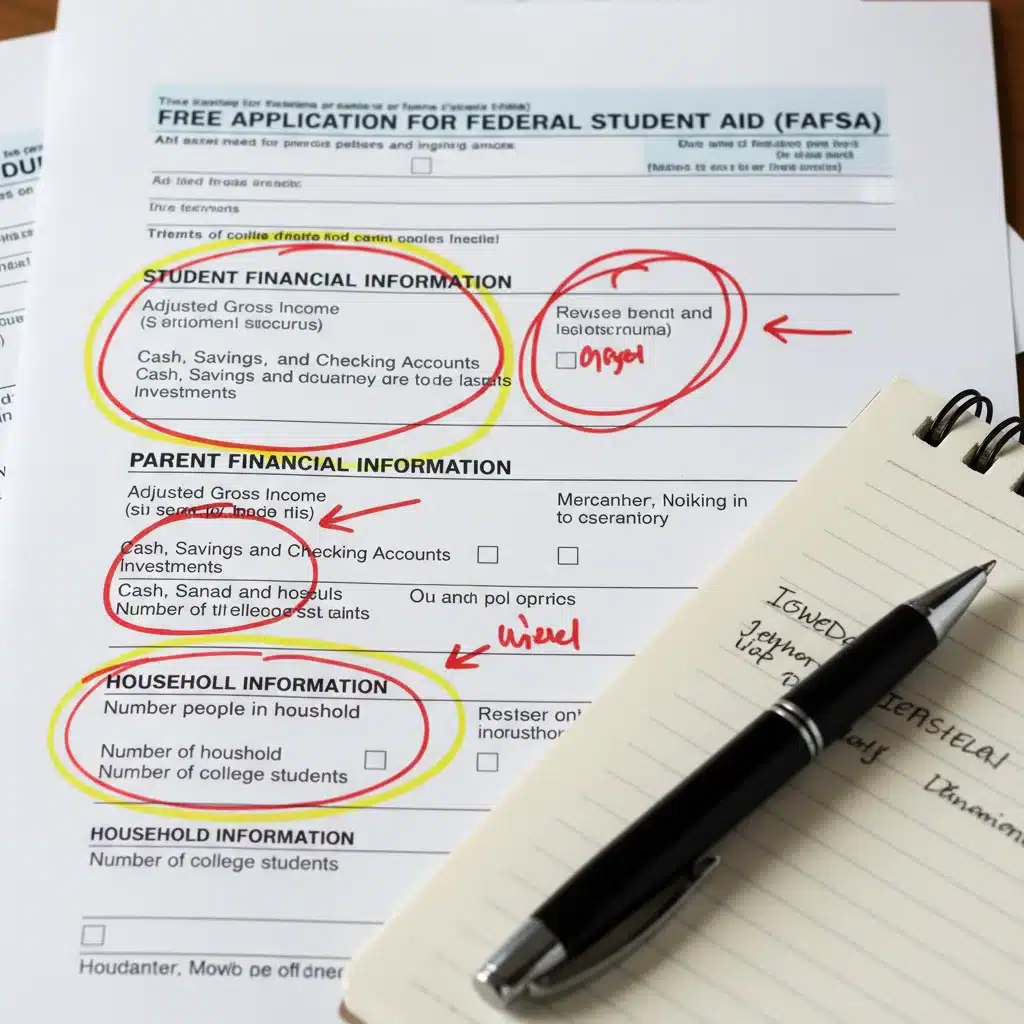
Step 4: Understand the IRS Direct Data Exchange (DDX)
The DDX is now mandatory for most applicants. This means you will give permission for your tax information to be directly transferred from the IRS to your FAFSA. This is a secure and efficient way to provide income data and helps prevent errors. Ensure everyone required to provide consent does so. If consent is not provided by all necessary parties, the FAFSA will not be processed, and the student will not be eligible for federal financial aid.
Step 5: Complete the FAFSA Accurately and On Time
The FAFSA typically opens on October 1st each year (though the 2024-2025 FAFSA was delayed). Aim to complete it as soon as possible after it opens. Many financial aid programs, especially state and institutional grants, are awarded on a first-come, first-served basis, or have strict deadlines. Accuracy is paramount; double-check all information before submitting.
Step 6: Review Your Student Aid Index (SAI) and College Aid Offers
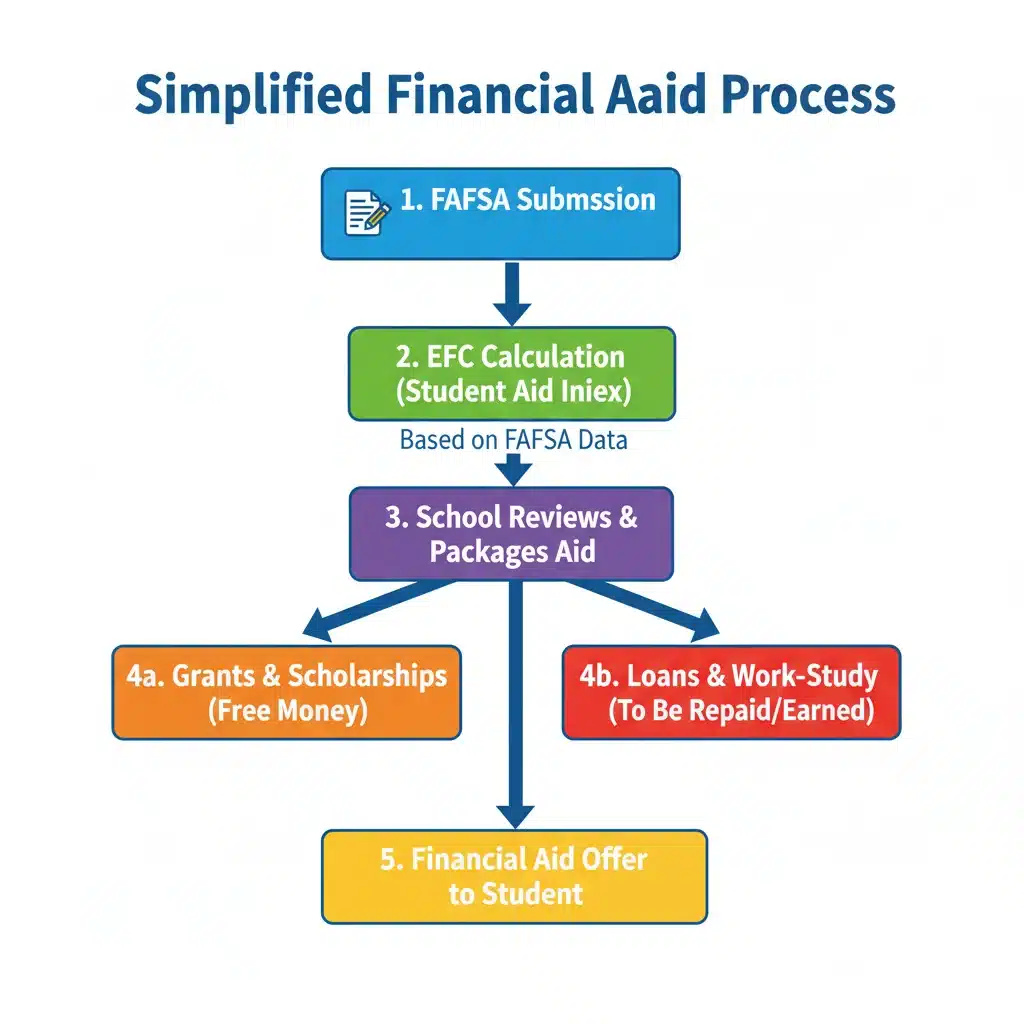
After submitting the FAFSA, you’ll receive your FAFSA Submission Summary, which includes your SAI. This number is crucial as it’s what colleges will use to determine your financial need. Once colleges receive your FAFSA data, they will begin sending out financial aid offers. Carefully compare these offers, looking at the mix of grants, scholarships, work-study, and loans. Don’t just focus on the “sticker price”; focus on the “net price” – the cost after grants and scholarships.
Strategies to Maximize Aid Eligibility Under the New Rules
Given the 2026 FAFSA changes, families need to be strategic. Here are some tips:
- Understand the “Number in College” Impact: For families with multiple children, the removal of the “number in college” factor is significant. Explore institutions that use their own institutional aid forms (like the CSS Profile) or have generous institutional aid policies that might still consider this factor. Some colleges may choose to use professional judgment to account for multiple children in college.
- Asset Management: While retirement accounts and primary home equity remain protected, be mindful of other reportable assets. If you have significant cash in savings or non-retirement investment accounts, consider if there are ways to reallocate these funds into protected assets, if appropriate for your overall financial plan, before the “prior-prior year” FAFSA year (e.g., for the 2026-2027 FAFSA, this would be the 2024 tax year and current assets when you file).
- Small Business/Farm Owners: If you own a small business or farm, understand that its net worth will likely be included in the SAI calculation. Consult with a financial advisor to understand the implications and any potential strategies. Documenting expenses accurately and ensuring proper business valuation will be critical.
- Income Timing: While it’s generally not advisable to make major financial decisions solely for FAFSA purposes, be aware that the FAFSA uses “prior-prior year” income. This means the 2026-2027 FAFSA will use your 2024 income. If you anticipate a significant one-time income event (e.g., a bonus, severance pay, capital gains) in 2024, understand how it might impact your SAI for two years down the line.
- Custodial Parent Rules: The FAFSA determines the custodial parent based on who provided more financial support, not necessarily who claims the child on taxes. Ensure the correct parent completes the FAFSA, as their income and assets will be used. If parents are divorced or separated, the parent who provides more than 50% of the student’s support and with whom the student lived for the greater portion of the 12-month period ending on the FAFSA application date is the one who should provide their information.
- Seek Professional Judgment: If your family experiences unusual circumstances (e.g., job loss, significant medical expenses, death of a parent, or other financial hardship not reflected on your tax return), you can request a “professional judgment” review from the financial aid office at each college. They have the discretion to adjust your SAI based on documented circumstances.
- Maximize Outside Scholarships: Regardless of FAFSA changes, aggressively pursue outside scholarships. These are “free money” that don’t need to be repaid and can significantly reduce your financial burden.
The Role of Colleges and Institutional Aid
It’s important to remember that the FAFSA primarily determines eligibility for federal student aid. Colleges also award their own institutional aid, which can be substantial. Many private colleges, and some public universities, use the CSS Profile in addition to the FAFSA. The CSS Profile often collects more detailed financial information and may have different methodologies for calculating need, sometimes still considering factors like home equity or the number of children in college.
When researching colleges, inquire about their institutional aid policies and whether they use the CSS Profile. A college’s financial aid office is your best resource for understanding how the 2026 FAFSA changes will interact with their specific aid programs.
Common Misconceptions and Clarifications
Let’s address some common misunderstandings surrounding the FAFSA and the upcoming changes:
- “My family makes too much money for aid.” This is a persistent myth. Many families, even those with higher incomes, qualify for some form of aid, particularly federal student loans, which offer better terms than private loans. Furthermore, merit-based scholarships are often available regardless of financial need. Completing the FAFSA is the only way to know for sure.
- “I only need to fill out the FAFSA once.” The FAFSA must be completed annually for each year a student plans to attend college and wishes to receive federal student aid. Your financial situation can change, and so can aid eligibility.
- “The FAFSA only covers tuition.” Federal student aid can cover more than just tuition. It can help with fees, room and board, books, supplies, transportation, and other personal expenses related to attending college.
- “The changes mean less aid for everyone.” Not necessarily. While some families may see a reduction due to specific formula changes (like the removal of the “number in college” factor or asset inclusion for small businesses), many lower-income families are expected to receive more aid, especially through expanded Pell Grant eligibility. The overall goal is to simplify and broaden access for those most in need.
The Road Ahead: Stay Informed and Adapt
The 2026 FAFSA changes represent a new era in federal student aid. While the intention is to simplify and expand access, the transition will inevitably bring questions and challenges for families. The most important advice is to stay informed, start preparing early, and don’t hesitate to seek guidance.
Bookmark official resources like StudentAid.gov, the Department of Education’s financial aid website, for the most up-to-date information. Attend webinars, read articles from reputable financial aid experts, and consult with high school counselors or college financial aid officers. These professionals can provide personalized advice based on your family’s unique circumstances.
Remember, the goal of higher education is to empower students and open doors to future opportunities. By understanding and strategically navigating the 2026 FAFSA changes, U.S. families can ensure that financial barriers do not stand in the way of their educational aspirations. With careful planning and proactive engagement, you can maximize your aid eligibility and make college an affordable reality.