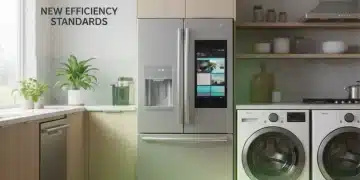
New Energy Efficiency Standards 2026: Slash Utility Bills by 15%
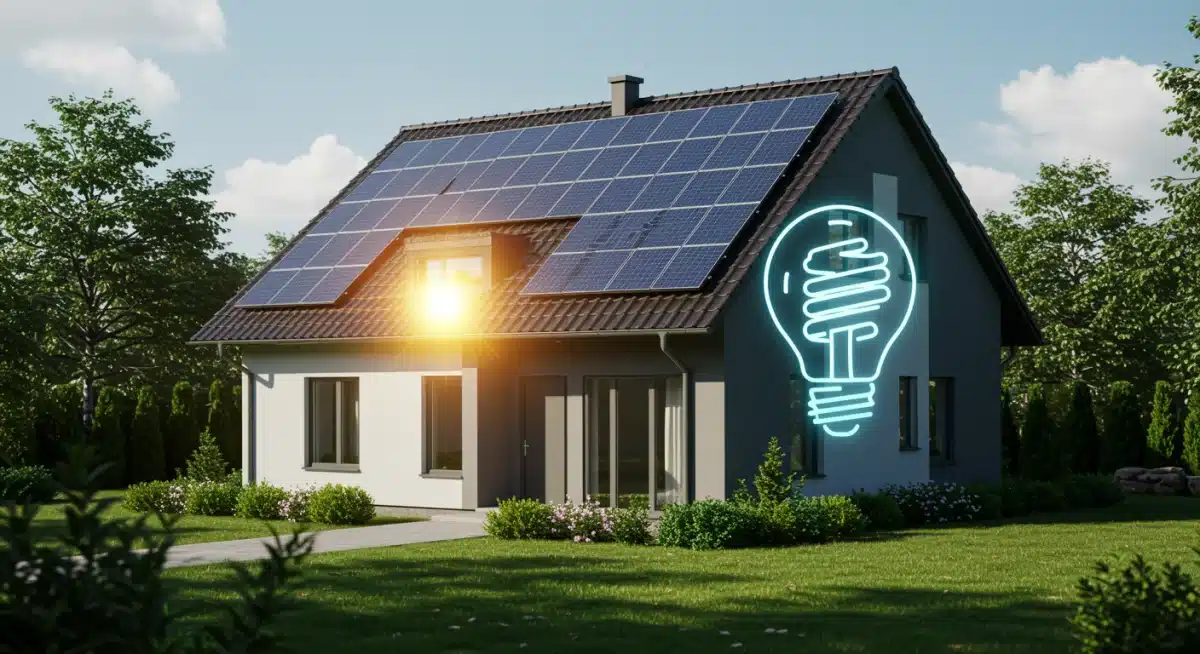
New Energy Efficiency Standards for 2026: How Federal Mandates Could Reduce Utility Bills by 15%
The landscape of energy consumption is on the cusp of a significant transformation, driven by ambitious federal mandates aimed at bolstering energy efficiency across the nation. As we inch closer to 2026, a series of new energy efficiency standards are poised to reshape how we power our homes and businesses, with a promising forecast of reducing utility bills by an impressive 15%. This isn’t just about environmental stewardship; it’s about tangible financial savings for every American consumer. The 2026 Energy Standards represent a monumental step towards a more sustainable and economically sound future, promising a ripple effect that will touch everything from appliance manufacturing to building codes.
Understanding these upcoming changes is crucial for homeowners, businesses, and policymakers alike. These mandates are not merely suggestions; they are regulatory requirements designed to phase out less efficient technologies and encourage the adoption of cutting-edge, energy-saving alternatives. From your refrigerator to your heating and cooling systems, virtually every energy-consuming device and structure will be affected. This comprehensive overhaul is projected to not only trim down monthly expenses but also contribute significantly to reducing national carbon emissions, fostering energy independence, and stimulating innovation within the green technology sector.
The journey towards these 2026 Energy Standards has been years in the making, built upon a foundation of scientific research, economic analysis, and stakeholder collaboration. The federal government, through agencies like the Department of Energy (DOE), has been diligently working to identify areas where efficiency gains can be maximized without compromising performance or affordability. The target of a 15% reduction in utility bills is not an arbitrary figure; it’s an evidence-based projection derived from the cumulative impact of these various new standards. This article will delve deep into the specifics of these mandates, explore their potential impact, and provide actionable insights on how individuals and organizations can prepare to reap the full benefits.
The Impetus Behind the 2026 Energy Standards: Why Now?
The push for more stringent energy efficiency standards is driven by a confluence of factors, ranging from environmental imperatives to economic necessities. Climate change remains a pressing global concern, and reducing energy consumption is a direct and effective way to curb greenhouse gas emissions. By making appliances and buildings more efficient, we lessen our reliance on fossil fuels, thereby mitigating our environmental footprint.
Economically, the benefits are equally compelling. High utility bills place a significant burden on households and businesses, impacting disposable income and operational costs. The 2026 Energy Standards are designed to alleviate this burden, putting more money back into the pockets of consumers. Furthermore, a reduced energy demand translates to a more stable and secure energy grid, less susceptible to price volatility and supply chain disruptions.
Technological advancements have also played a pivotal role. Innovations in materials science, digital controls, and renewable energy integration have made it possible to achieve unprecedented levels of efficiency without sacrificing comfort or convenience. The market is now ripe for widespread adoption of these technologies, and federal mandates serve as a catalyst to accelerate this transition.
Moreover, these standards foster domestic job growth in manufacturing, installation, and maintenance of energy-efficient products and systems. They encourage research and development, positioning the United States as a leader in green technology and sustainable practices. The holistic approach embedded within the 2026 Energy Standards aims to create a virtuous cycle where environmental protection, economic prosperity, and technological innovation reinforce one another.
Key Areas Targeted by the New Federal Mandates
The upcoming 2026 Energy Standards are comprehensive, addressing a wide array of energy-consuming sectors. While specific regulations are still being finalized and rolled out, several key areas are expected to see significant changes:
1. Residential and Commercial HVAC Systems
Heating, Ventilation, and Air Conditioning (HVAC) systems are among the largest energy consumers in both homes and commercial buildings. New standards will likely focus on increasing the Seasonal Energy Efficiency Ratio (SEER) for air conditioners, the Heating Seasonal Performance Factor (HSPF) for heat pumps, and the Annual Fuel Utilization Efficiency (AFUE) for furnaces. This means new units sold will have to be considerably more efficient, translating directly into lower heating and cooling costs.
2. Water Heaters
Water heating is another substantial contributor to household energy consumption. The 2026 Energy Standards are expected to push for higher Energy Factor (EF) ratings for traditional tank water heaters and promote the adoption of more efficient technologies like heat pump water heaters and tankless water heaters. These technologies significantly reduce the energy required to heat water, leading to considerable savings.
3. Major Appliances
Refrigerators, freezers, dishwashers, washing machines, and dryers have all seen continuous improvements in energy efficiency over the years, and this trend will accelerate. The new mandates will set even stricter minimum efficiency levels, ensuring that consumers purchase appliances that consume less electricity and water. This not only saves money but also reduces the strain on natural resources.
4. Lighting
While LED lighting has already largely replaced incandescent bulbs, further refinements in lighting efficiency, including smart lighting controls and more efficient fixtures, are anticipated. The focus will be on maximizing lumens per watt and integrating advanced controls that optimize lighting usage based on occupancy and natural light availability.
5. Building Envelopes and Insulation
Beyond appliances, the structural integrity and insulation of homes and commercial buildings play a critical role in energy retention. Updated building codes and voluntary programs will encourage better insulation, more efficient windows and doors, and improved air sealing techniques. A well-sealed and insulated building requires less energy to heat and cool, directly contributing to the 15% utility bill reduction goal.
6. Commercial Refrigeration
For businesses, particularly in the food service and retail sectors, commercial refrigeration units are major energy users. New standards will aim to enhance the efficiency of these units, leading to significant operational cost savings for businesses.
The breadth of these targeted areas underscores the holistic approach of the 2026 Energy Standards. It’s not about a single silver bullet, but rather a coordinated effort across multiple fronts to achieve maximum energy savings.
The Projected Impact: A 15% Reduction in Utility Bills
The headline figure of a 15% reduction in utility bills is a powerful motivator. But how will this translate into real-world savings for the average consumer? Let’s break down the potential impact:
For Homeowners: Tangible Monthly Savings
Imagine your current monthly utility bill. A 15% reduction means hundreds of dollars in savings annually, which can be reallocated to other household needs, investments, or simply enjoyed. For example, if your average monthly utility bill is $200, a 15% reduction translates to $30 in savings per month, or $360 per year. Over the lifespan of energy-efficient appliances and HVAC systems, these savings accumulate into substantial sums.
Moreover, these savings are not a one-time event; they are recurring, providing long-term financial relief. The upfront cost of more efficient appliances or home upgrades might be slightly higher, but the rapid payback period and continuous savings make them a sound investment. The 2026 Energy Standards aim to make these efficient options the default, ensuring everyone benefits.
For Businesses: Enhanced Profitability and Competitiveness
Businesses, especially those with high energy demands, stand to gain immensely. Reducing utility costs by 15% can significantly boost profit margins, improve cash flow, and enhance competitiveness. For small and medium-sized enterprises (SMEs), these savings can be the difference between struggling and thriving. Larger corporations can leverage these savings to invest in growth, innovation, or employee benefits.
Beyond direct cost savings, adopting energy-efficient practices aligns with corporate social responsibility goals, enhancing brand reputation and attracting environmentally conscious consumers and investors. The 2026 Energy Standards will push businesses towards operational excellence, fostering a more sustainable and resilient economy.
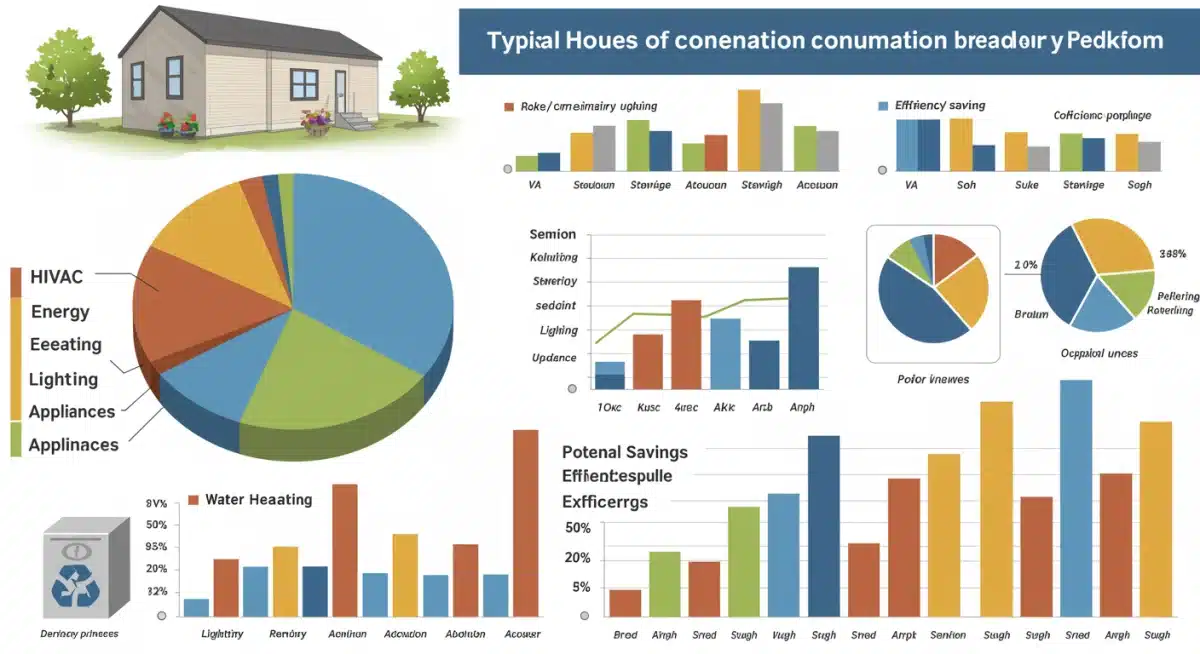
Broader Economic and Environmental Benefits
The cumulative effect of these savings across millions of households and businesses will have a profound macroeconomic impact. Reduced energy demand lessens the need for new power generation infrastructure, potentially delaying or avoiding costly power plant constructions. It also reduces the strain on existing grids, making them more reliable.
Environmentally, the 2026 Energy Standards will contribute to a substantial reduction in carbon emissions, helping the nation meet its climate targets. Cleaner air, reduced reliance on fossil fuels, and a more sustainable energy future are all direct outcomes of these mandates. It’s a win-win scenario where economic prudence and environmental stewardship go hand-in-hand.
Preparing for the 2026 Energy Standards: What You Can Do Now
While the full impact of the 2026 Energy Standards will be felt in the coming years, there are proactive steps you can take today to prepare and start realizing savings.
1. Audit Your Energy Consumption
The first step is to understand where your energy goes. Conduct a home energy audit or hire a professional to identify areas of significant energy waste. This could involve checking for air leaks, inspecting insulation levels, and evaluating the efficiency of your existing appliances and HVAC system. Knowledge is power, and knowing your energy consumption patterns empowers you to make informed decisions.
2. Prioritize Appliance Upgrades
If your major appliances are old and inefficient, consider upgrading them sooner rather than later. Look for models with the ENERGY STAR label, which indicates superior energy efficiency. Even before the 2026 Energy Standards take full effect, many highly efficient options are already available on the market. Replacing an old refrigerator or washing machine can lead to immediate and noticeable savings.
3. Enhance Your Home’s Envelope
Focus on improving your home’s insulation, windows, and sealing. Upgrading to double-pane or triple-pane windows, adding insulation to your attic and walls, and sealing cracks and gaps can significantly reduce heat loss in winter and heat gain in summer. These improvements are foundational to energy efficiency and will amplify the benefits of efficient appliances.
4. Consider Smart Home Technology
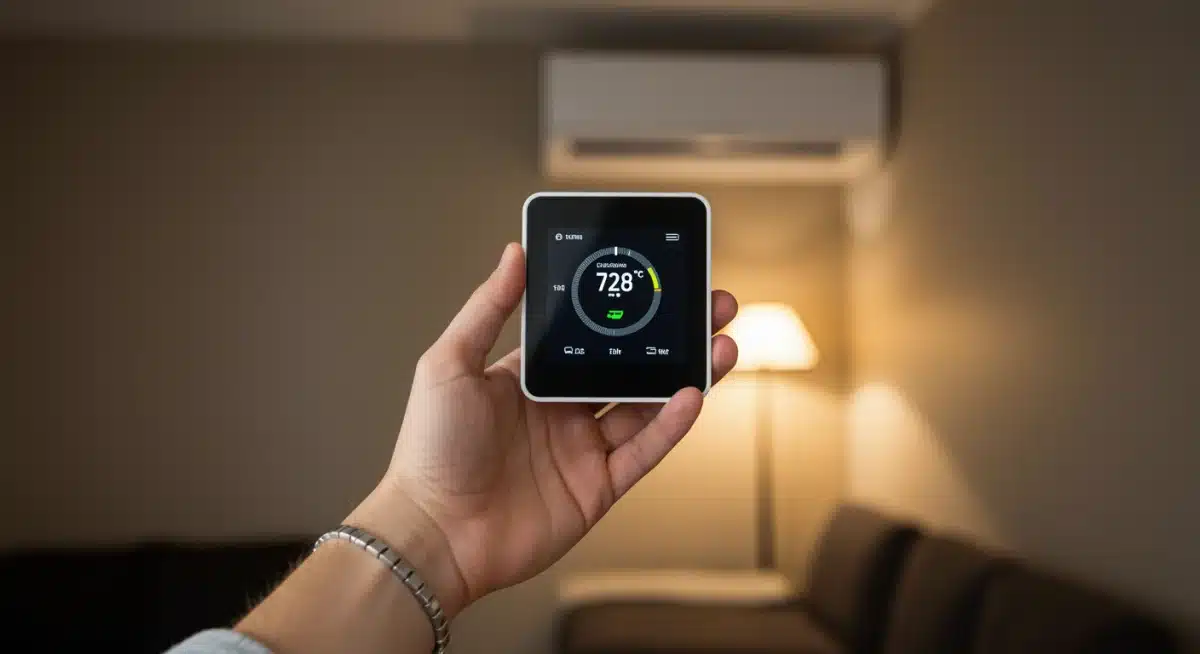
Smart thermostats, smart lighting systems, and smart plugs can help you manage your energy consumption more effectively. These devices often learn your habits and adjust settings automatically, optimizing energy use without sacrificing comfort. They also provide valuable data on your energy consumption, helping you identify further areas for improvement.
5. Research HVAC System Replacements
If your HVAC system is approaching the end of its lifespan, start researching high-efficiency models now. Understand the new SEER, HSPF, and AFUE ratings and consider options like heat pumps, which can provide both heating and cooling more efficiently than traditional systems. Planning ahead allows you to make a well-informed decision and potentially take advantage of current incentives before the 2026 Energy Standards fully mandate these changes.
6. Explore Renewable Energy Options
While the 2026 Energy Standards primarily focus on efficiency, integrating renewable energy sources like solar panels can further reduce your reliance on the grid and cut utility bills to an even greater extent. Federal and local incentives for solar installations can make this a financially attractive option.
7. Stay Informed About Incentives and Rebates
Many government agencies and utility companies offer incentives, rebates, and tax credits for energy-efficient upgrades. Stay informed about these programs, as they can significantly offset the upfront costs of improvements, making the transition to higher efficiency even more appealing. The 2026 Energy Standards may also be accompanied by additional support programs.
Challenges and Considerations
While the benefits of the 2026 Energy Standards are clear, their implementation is not without challenges. One primary concern is the potential for increased upfront costs for consumers and businesses. More efficient appliances and building materials often come with a higher price tag. However, it’s crucial to view these as investments with a clear return through reduced operating costs.
Another challenge lies in ensuring equitable access to these benefits. Not all households or businesses have the immediate capital to upgrade. Policymakers will need to ensure that robust financial assistance programs, incentives, and educational initiatives are in place to support low-income households and small businesses in making these transitions. The goal is to ensure that the 15% utility bill reduction is achievable for everyone, not just a segment of the population.
For manufacturers, adapting production lines to meet stricter efficiency standards requires significant investment in research, development, and new tooling. This transition period needs careful management to avoid supply chain disruptions and ensure a steady availability of compliant products.
Furthermore, consumer education is paramount. Many consumers may not fully understand the long-term financial benefits of energy-efficient products or how to properly maintain them. Effective communication campaigns will be essential to inform the public about the upcoming 2026 Energy Standards and empower them to make smart energy choices.
The Road Ahead: Long-Term Vision of the 2026 Energy Standards
The 2026 Energy Standards are not an endpoint but rather a significant milestone in a continuous journey towards a more sustainable and energy-secure future. The lessons learned from this round of mandates will undoubtedly inform future policy decisions and inspire further innovation.
Looking beyond 2026, we can anticipate even greater integration of smart grid technologies, advanced building management systems, and widespread adoption of renewable energy sources. The concept of a ‘net-zero’ home or building, which produces as much energy as it consumes, will become increasingly common and accessible.
The federal government’s commitment to these standards signals a clear direction: energy efficiency is not optional; it is fundamental to our economic and environmental well-being. By embracing these changes, we are not only saving money on our utility bills but also contributing to a healthier planet and a more resilient society for generations to come.
The 15% reduction in utility bills is a powerful testament to what can be achieved when policy, technology, and consumer action align. It’s an exciting prospect that promises a brighter, greener, and more affordable future for all.
Conclusion: Embrace the Future of Energy Efficiency
The upcoming 2026 Energy Standards represent a pivotal moment in the nation’s energy strategy. With the promise of reducing utility bills by a substantial 15%, these federal mandates are set to deliver tangible financial benefits to households and businesses while simultaneously advancing environmental protection goals. By targeting key areas such as HVAC systems, water heaters, major appliances, and building envelopes, the standards will usher in an era of unprecedented efficiency.
Preparation is key to maximizing the advantages of these changes. By proactively auditing energy consumption, upgrading to efficient appliances, enhancing home insulation, leveraging smart technology, and staying informed about incentives, consumers and businesses can position themselves to fully capitalize on the forthcoming savings. While challenges exist, the long-term vision of a more sustainable, affordable, and energy-independent future makes the transition to higher efficiency not just a regulatory requirement, but a strategic imperative.
Embrace the future of energy efficiency; the 2026 Energy Standards are not just about compliance, but about unlocking significant savings and contributing to a healthier planet. The journey to a 15% reduction in utility bills starts now.